Loch Ness, Skye, Portree, Old Man of Storr

August 16

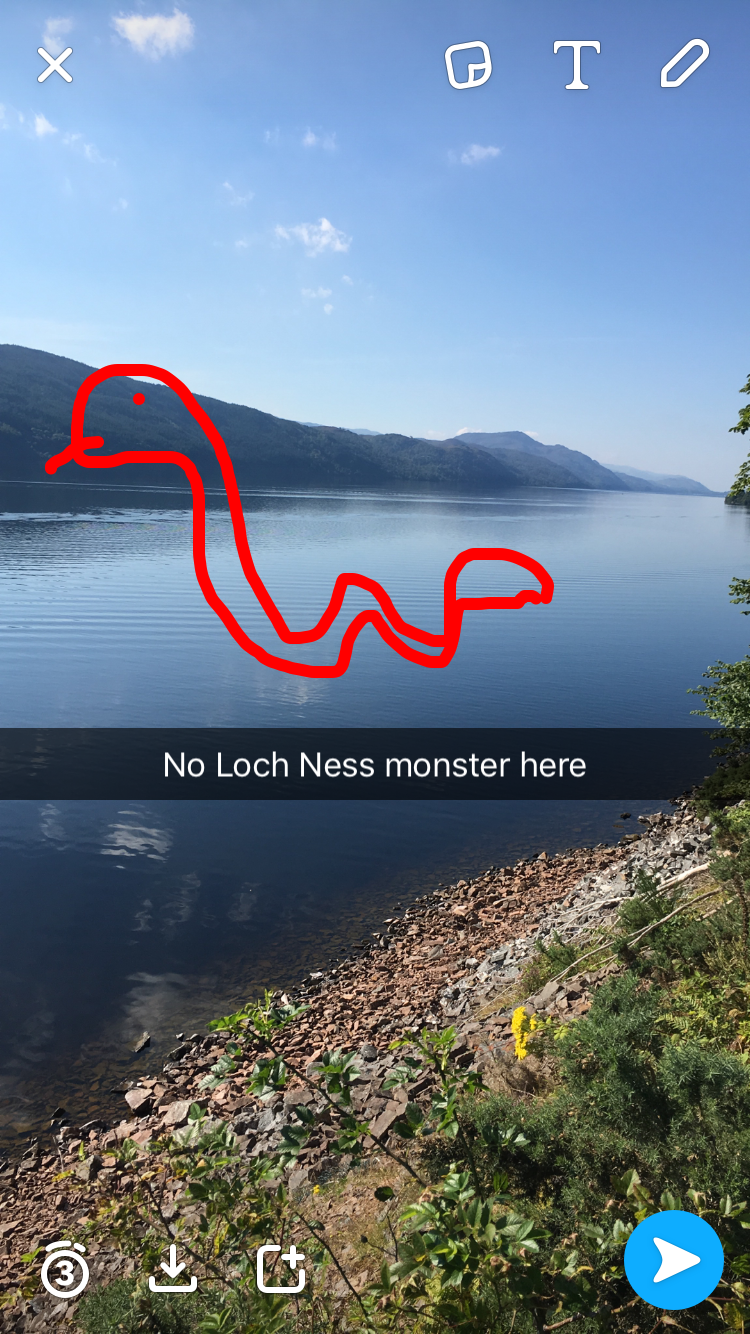
I could barely contain my excitement when I realised I was going to be driving past Loch Ness. I called in at the Loch Ness Centre and Exhibition – “a multi-award-winning attraction” it boasts as you pay to get in. I have to say it was pretty good and I now feel mildly expert on the topic of Loch Ness and the Monster.
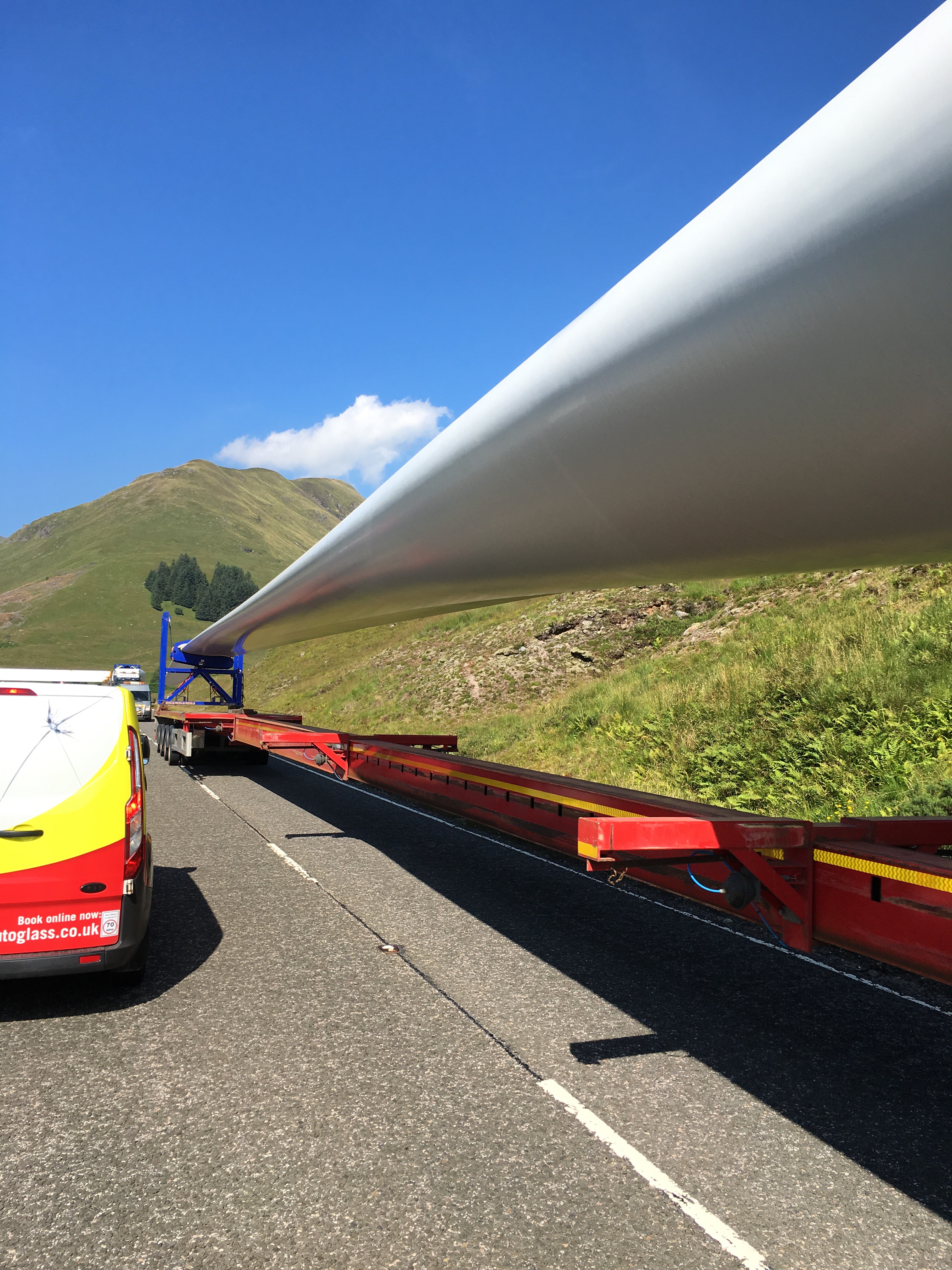
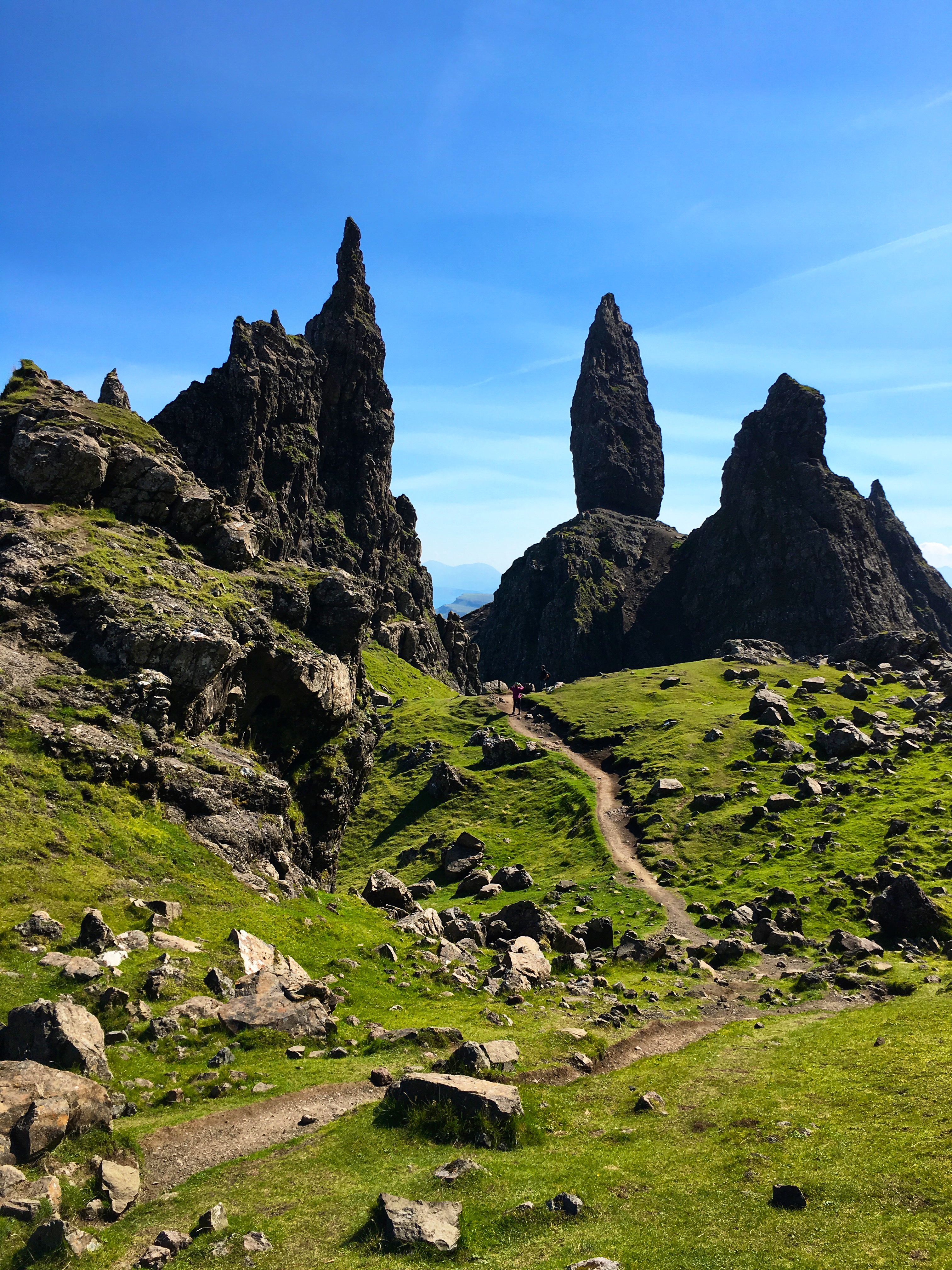
I trekked (in the car) out to Skye as I was told by Scots that this is a very beautiful drive and it didn’t disappoint. It’s a long drive but stunning. Skye was much more remote, wild and unpopulated than I expected. I hiked to the Old Man of Storr – about 2 hours up to the highest point and back – and I now really get why so many people make walking holidays in Scotland in summer. Mind you I was totally spoilt with perfect weather.

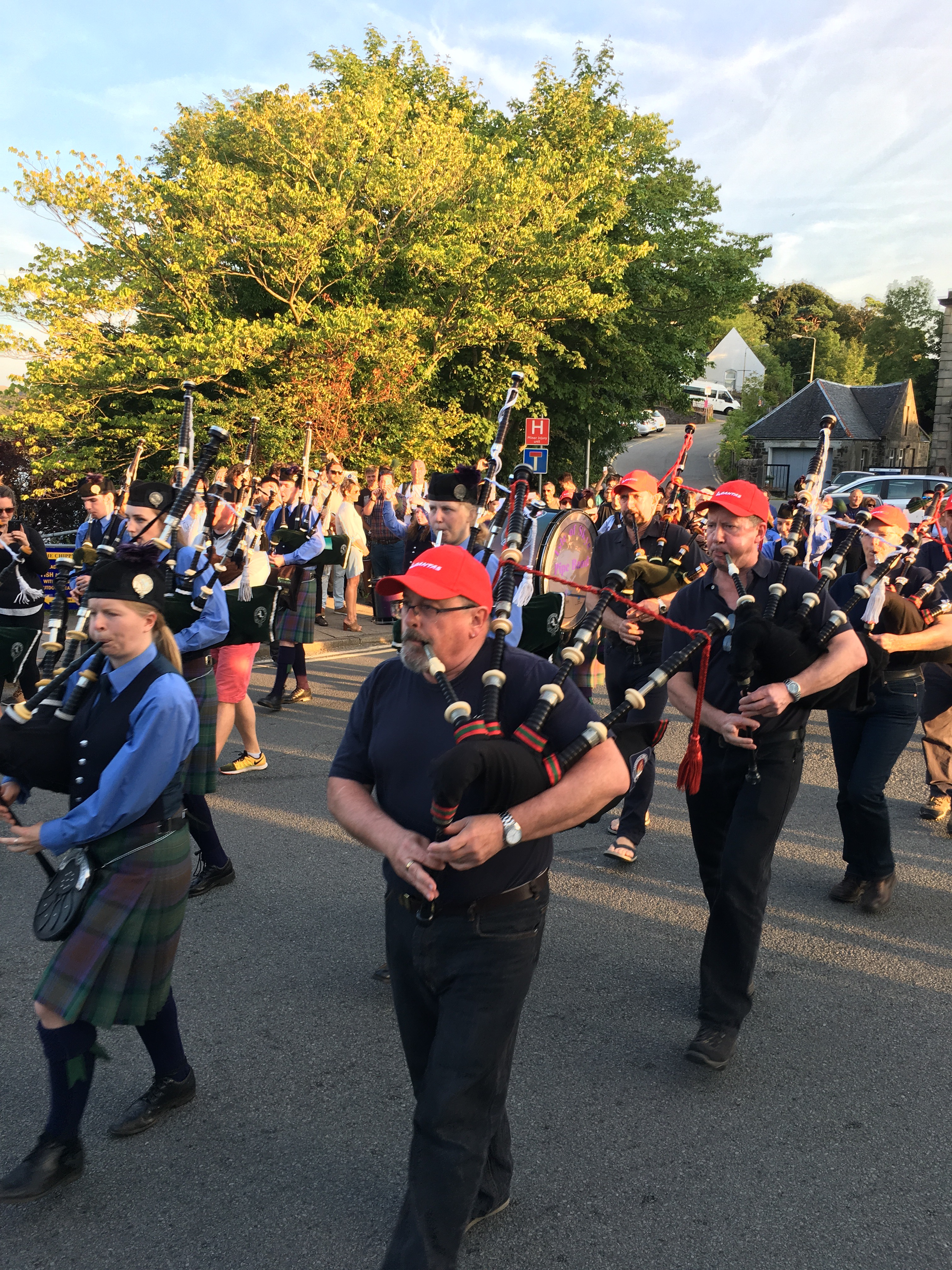
In Portree we were treated to the Skye Pipers. They claimed Skye was the birthplace of piping and they marched with guest pipers from Armadale, New South Wales and Canada. 

Loch Lomond, Trossachs National Park, Glasgow

This was a very big driving day, all the way back almost to Loch Ness and then to Fort William and through the Trossachs National Park to Glasgow. On this road I stopped on a couple of occasions – with lots of others – to just look in wonder and I thought to myself “How will I ever remember how beautiful this is and the awe I feel?”

Dufftown, Cairngorms, Loch Morlich, Inverness

August 15

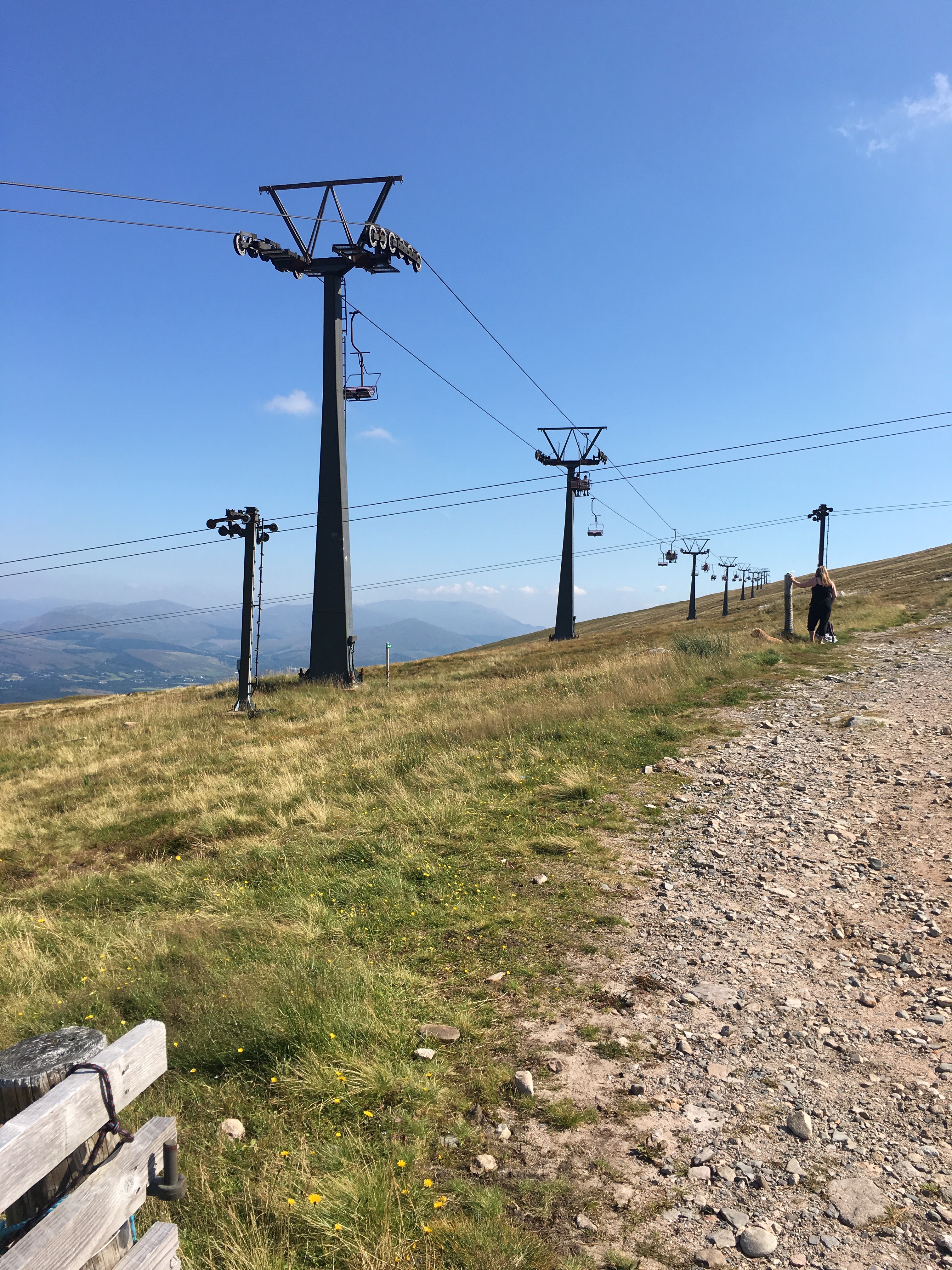
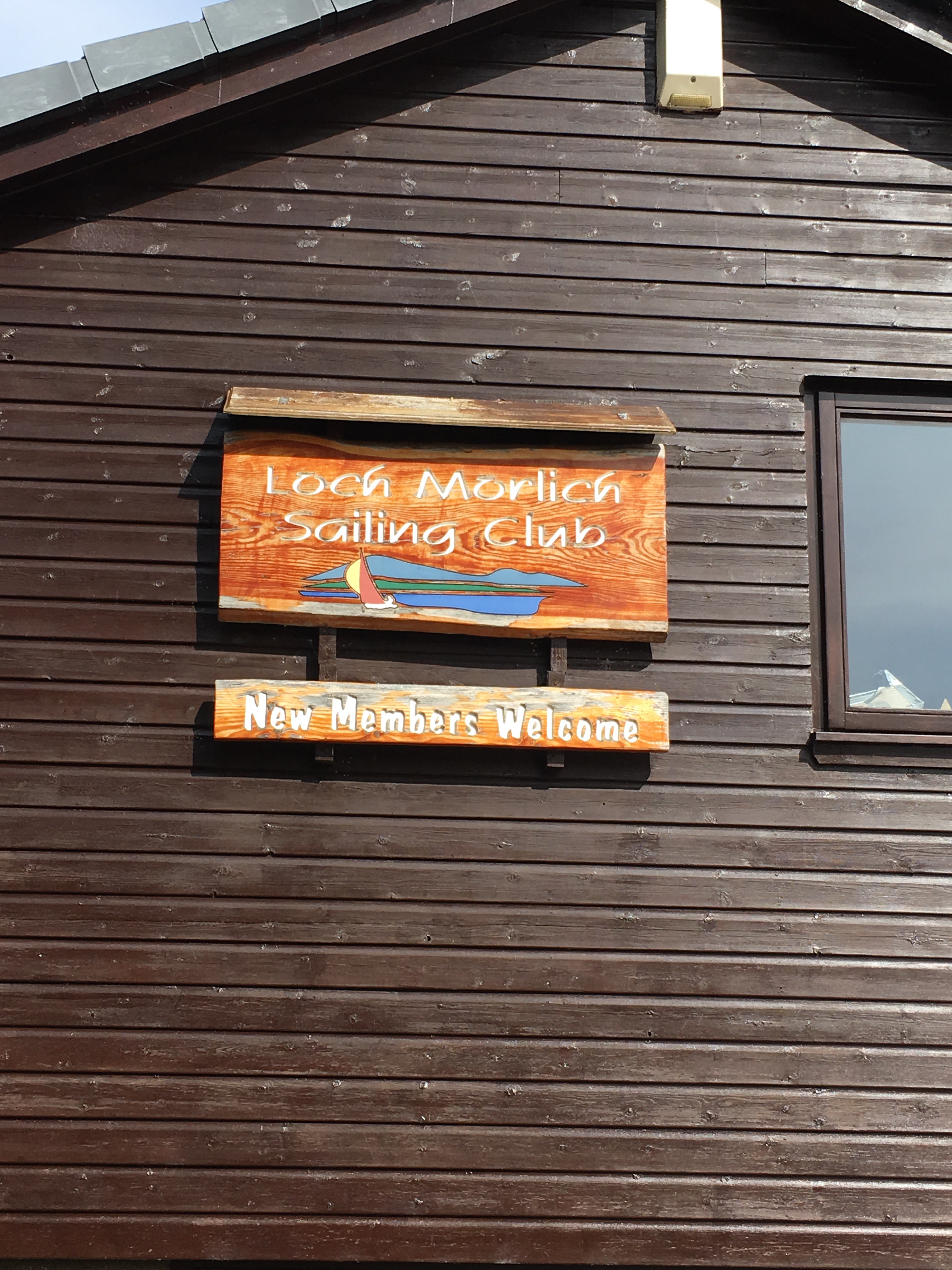
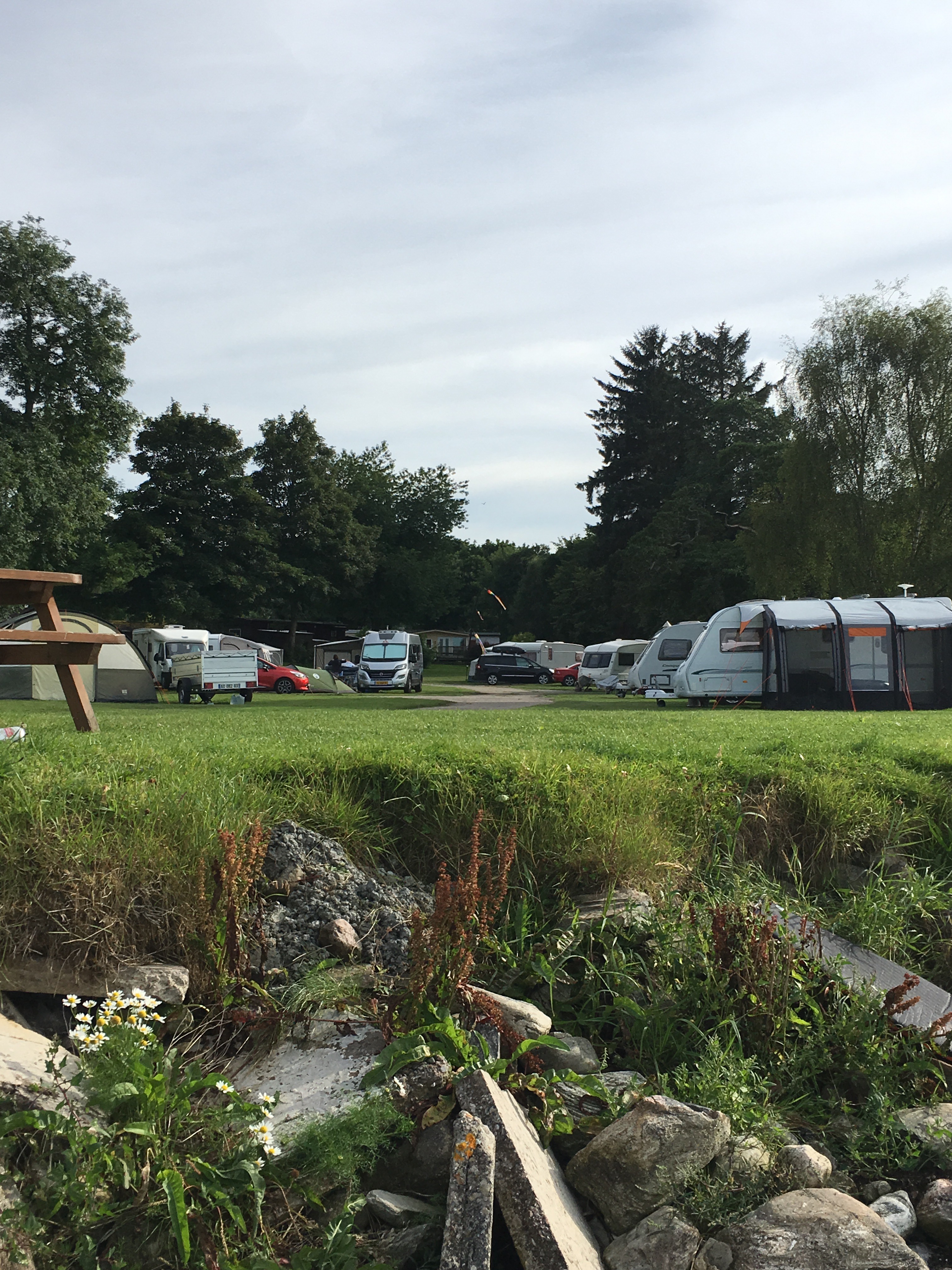
What a wonderful day of driving this was. A tour of the Glenfiddich distillery in Dufftown. I now know all about how Scotch Whisky is made. Up into the Highlands to visit the Cairngorm ski field and the Loch Morlich Yacht Club.
I was blessed with stunning warm weather and a crystal blue sky. Ian and his kids were pulling their boat out of the water. They live locally but Ian had previously lived and worked in London for years. He was very disappointed with Brexit and most concerned about how all the Europeans working and living in the UK must now feel. ‘How must they feel now?’ he asked rhetorically. ‘Worried, insecure, unwanted? We’re not like that up here. We don’t want people feeling like that.’


Dundee, Aberdeen

August 14

I stopped at Carnoustie on the way up to Aberdeen and spent some time at the beach. It’s a great place to catch people with their dogs; easy to walk and talk with people.  
Upfront, I think Scotland will leave the UK at some point in the next few years – unless the EU seriously derails. The people who want to leave – who have always wanted to leave – now have another (rather strong in their view) reason to revisit this issue. And the people that voted to stay with the UK now seem resigned to leaving. ‘The Nationalists won’t give up; we might as well get on with it and it won’t change much for us day to day” two ladies walking their dogs told me. They voted to stay with the UK but after Brexit they have changed their minds. I heard this a lot from the young and the old.

Scotland

I expected Scotland to be big and majestic, but nothing prepared me for the incredibly beauty of the Highlands. Cut by glaciers and aged for aeons from ancient mountains of Himalayan scale. We’re left with a truly striking landscape that is as much at the heart of every Scottish soul as the outback is to every Australian.


Edinburgh

August 13

I started in Edinburgh – a big solid and impressive city with wide streets and a sense of scale and grandeur. It was heaving with tourists for the Edinburgh Festival and Festival Fringe. I felt a young, hip, offbeat energy. It was slightly at odds with the grand old buildings – not unlike Berlin. Edinburgh to me is a true European city and with the Festival you could find people from every corner of the continent. Talking to people I began to understand why Scottish people think it’s so odd to leave the EU.
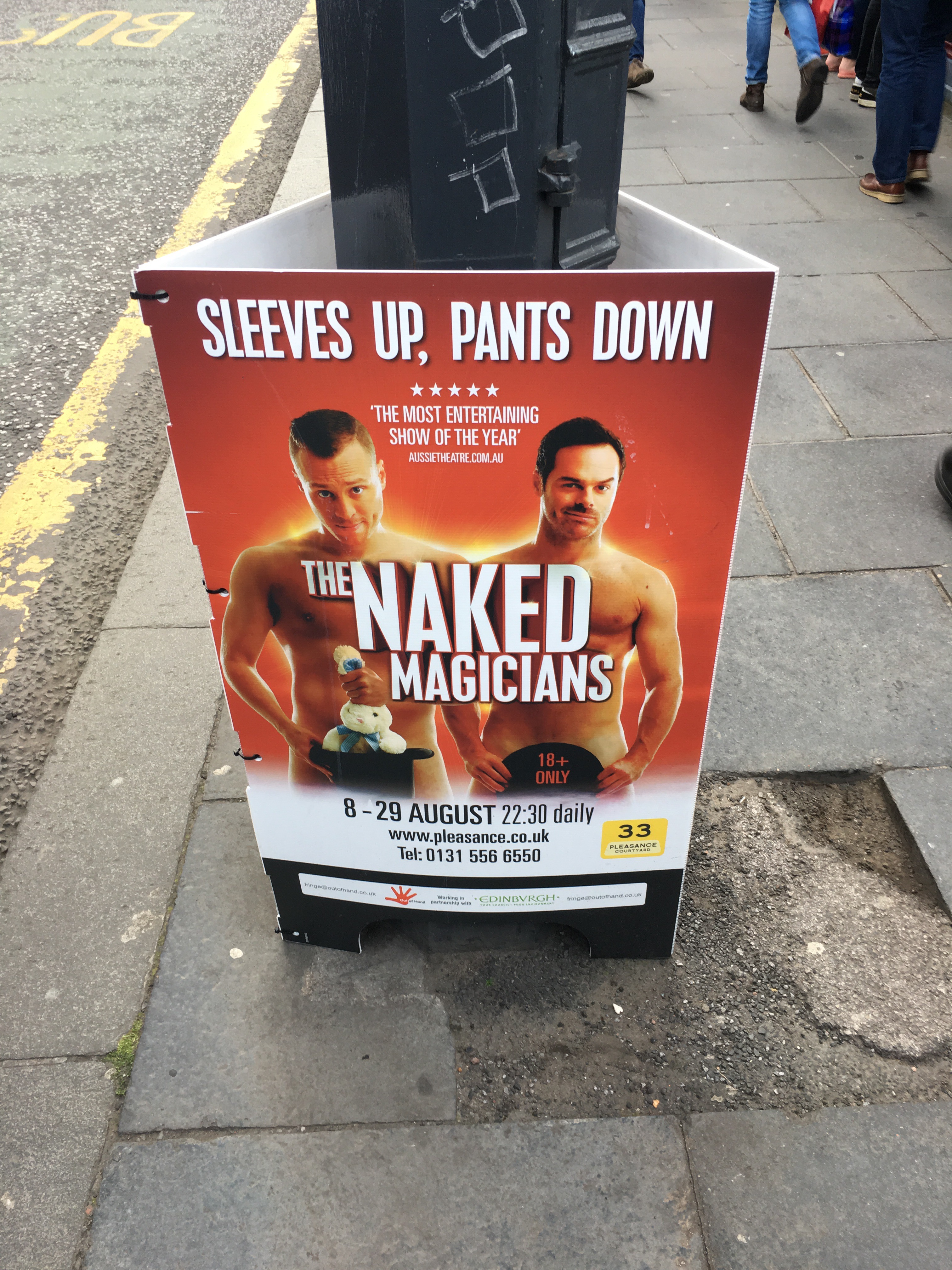
Most of the shows are free or really cheap (£5 or £10) and need to be booked as the venues are often small with some taking only about 50 people. There are promoters everywhere thrusting flyers into your hands; there are huge crowds; and there is a great sense of fun. I saw 3 shows in one afternoon and evening and will definitely come back. This is a really really fun festival; especially if you like comedy.

Eglwysfach to Anglesey though the Snowdonia National Park

August 9

I’d had a couple of dud hotel-picks the first two nights and was a bit flat by day 3. I thought “I don’t want to get the wrong impression of the quality of the Welsh tourism offering” – so I downloaded the Michelin guide and looked for the best restaurant within range. I headed to Eglwysfach for lunch at Ynyshir Hall.

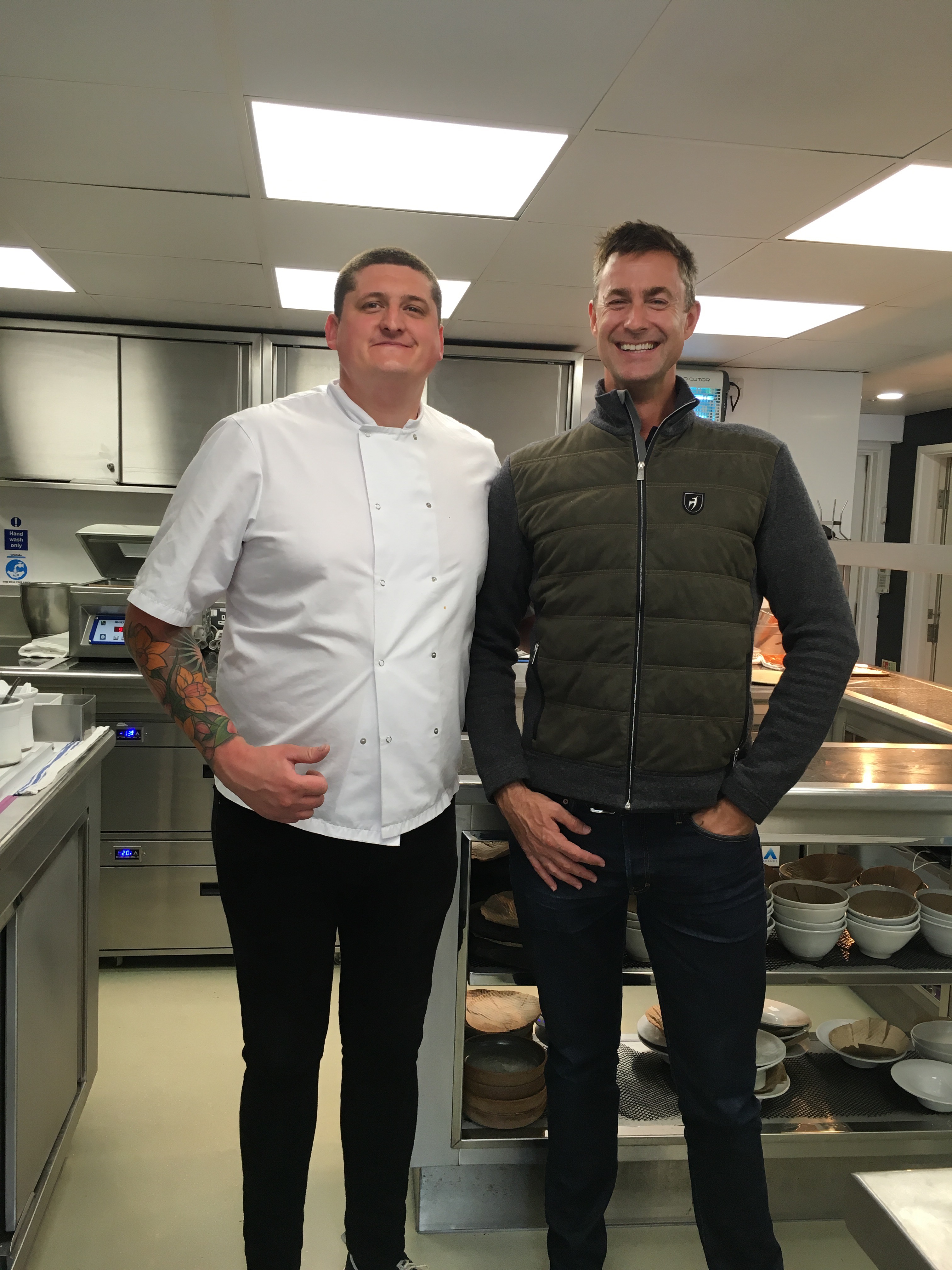
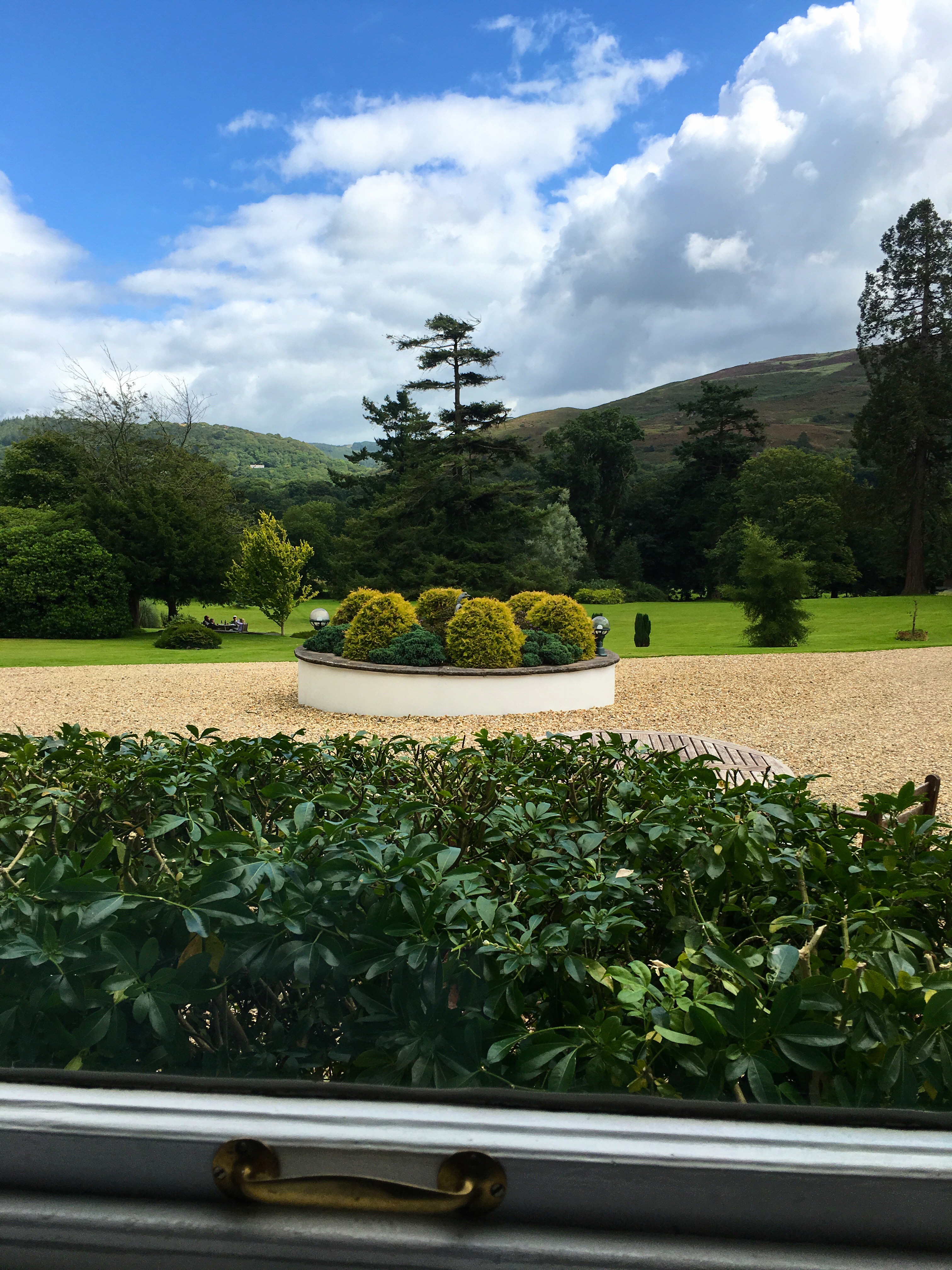
I was suspicious about how good this would be as I crawled along a narrow gravel road looking for the house – but I perked up when I arrived into the beautiful gardens of Ynyshir Hall. I had one of the most wonderful lunches of my life here; and after looking at some of their rooms I can tell you that I’d drive 5 hours from London to eat and stay here.

The drive from Eglwysfach to Anglesey though the Snowdonia National Park has to be one of the most beautiful drives the world has to offer. Alarming at times in a big car as the road is so narrow. There are many places you can’t pass. Or if you can it’s only by the hair of your chinny chin chin. And returning Mr Avis’s car with The Stink is one thing – but gouged sides from the strong stone walls on either side of most of this very narrow road would be a whole other issue.

In Anglesey it was the Anglesey Show. I went to the pub and met a fun group of people. In this part of Wales English is firmly their second language. I was to learn that 25% of the 3m people of Wales speak Welsh, but 550,000 speak it as their first language. I spoke to many people of my age who regretted not paying it enough attention at school. Some have now decided to send their kids to Welsh schools, where all the classes are taught in Welsh. This was the case with the group of mid-twenties people I met.

The Welsh are proud. Their flag is the Welsh flag. The Union Jack is the flag of the government as in Northern Ireland. It led me to wonder if the people of Northern Ireland needed a new flag; their own flag – a flag that unites both Protestant and Catholic with a national pride like the Welsh have.

For me Wales is the land of the unpronounceable – from Bwlchgwyn to Ysbyty Ystwyth. Lots of Welsh town-names are devoid of vowels – the handy little things that make English words work,

Did you know Llanfairpwllgwyngyllgogerychwyrndrobwllllantysiliogogogoch is a town? Yes, that’s a town – and that’s its real name and it’s the longest town-name in the world and it’s just near Anglesey. It means Saint Mary’s Church in the hollow of the white hazel near a rapid whirlpool and the Church of St. Tysilio of the red cave.

Wales. It’s the first place I’ve seen in the UK with a big open sky like in Australia. The West Coast and the North are immensely beautiful and it’s full of sometimes shy, but proud, hard-working and well-meaning people.

I look forward to returning.


Swansea, Fishguard, Newport (2) and Cardigan

August 8

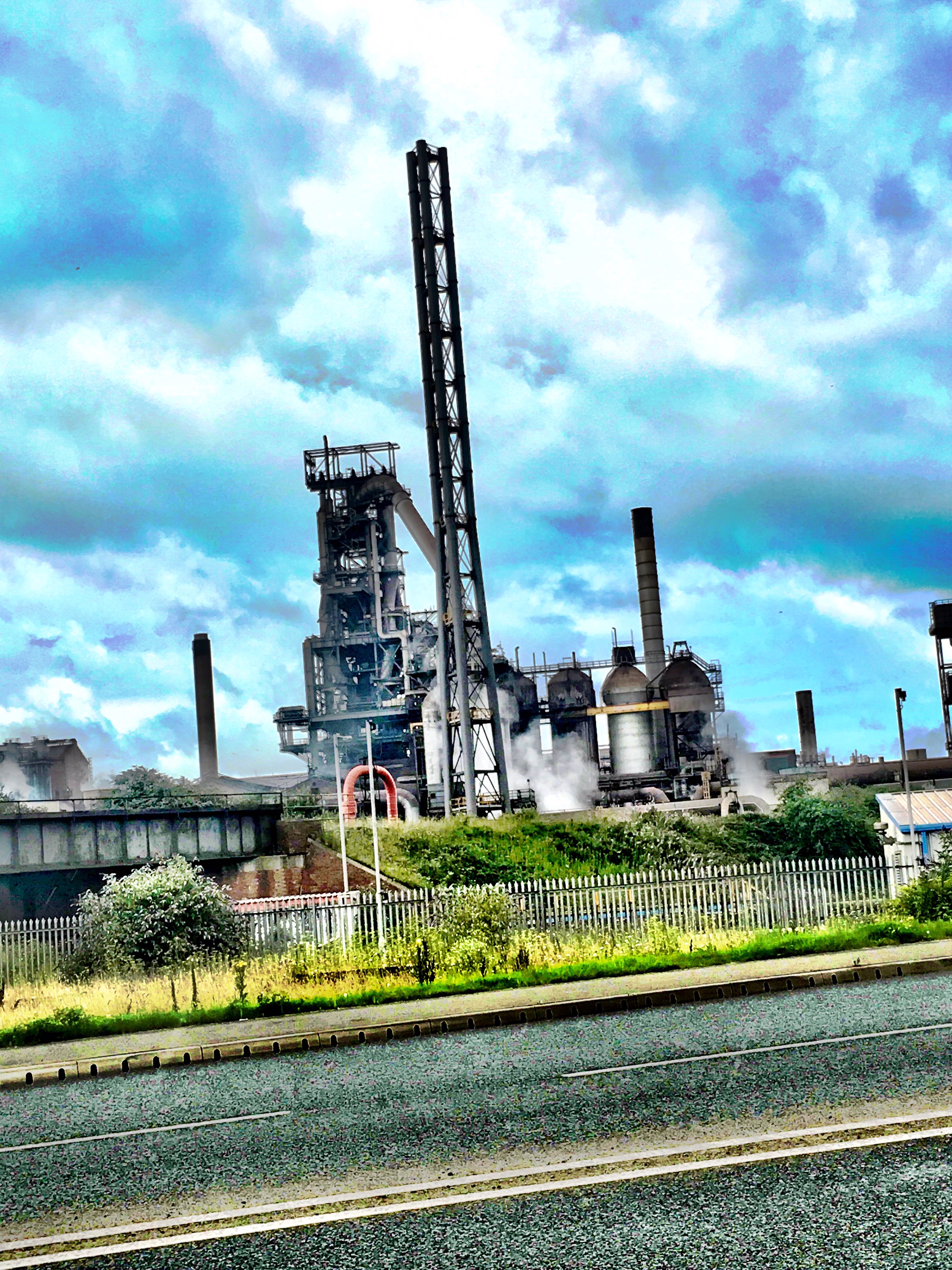
I drove up the West coast of Wales from South to North, past the troubled Port Talbot Steel Mill, where I stopped to see if I could talk to someone or look at some of the gigantic complex. Unsurprisingly this didn’t happen – but not through lack of effort by the lovely woman at security.

I did manage to talk to some steel fabricators at a nearby factory. Even though they are in the shadow of the main mill they buy their steel from a wholesaler who sources it globally to get the best price.

As I drove toward Pembroke more and more high-voltage power lines came together and I thought there must be a massive nuclear power plant near here. But they were all running from the newish Pembroke gas generator. In trouble with the EU over its environmental impact, due to the cooling system, this station generates enough power for 3.5 million homes. Coupled with a huge oil refinery I learn that there’s a lot of good well-paid work in this area.

People here are a bit more mixed on the Brexit vote and while no-one I spoke to wants Wales to leave the UK (“we’ve no resources, we depend on Westminster”) they love the Scots and are happy for them if they want to leave the UK and they can regain their independence. This does, though, bring lots of interesting consequences. I was told “Of course, they’ll have to move the nuclear subs you know” and “Milford Haven is the second-deepest port in Europe – this would be a good place for them”. It looks like disruption always creates opportunity for someone.

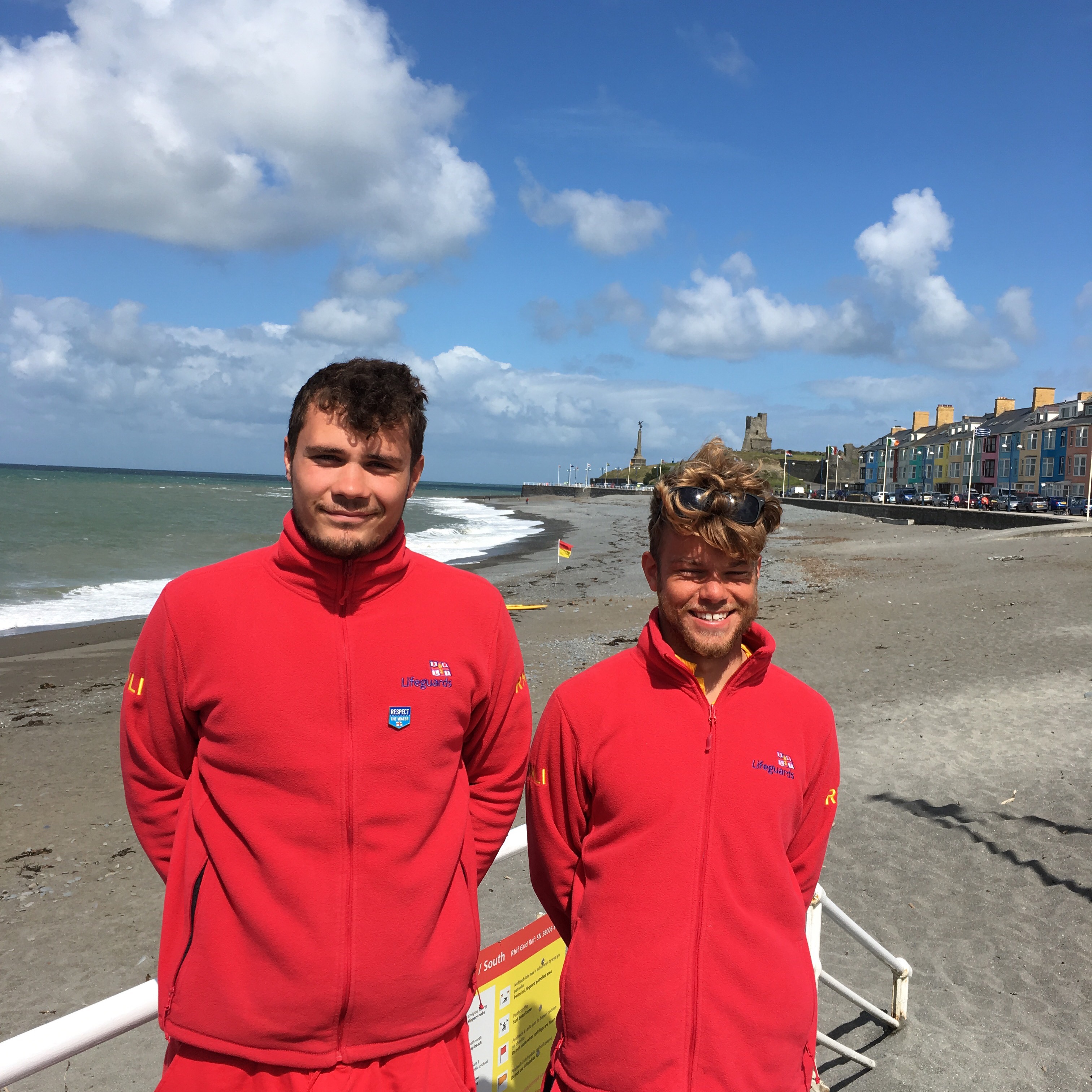
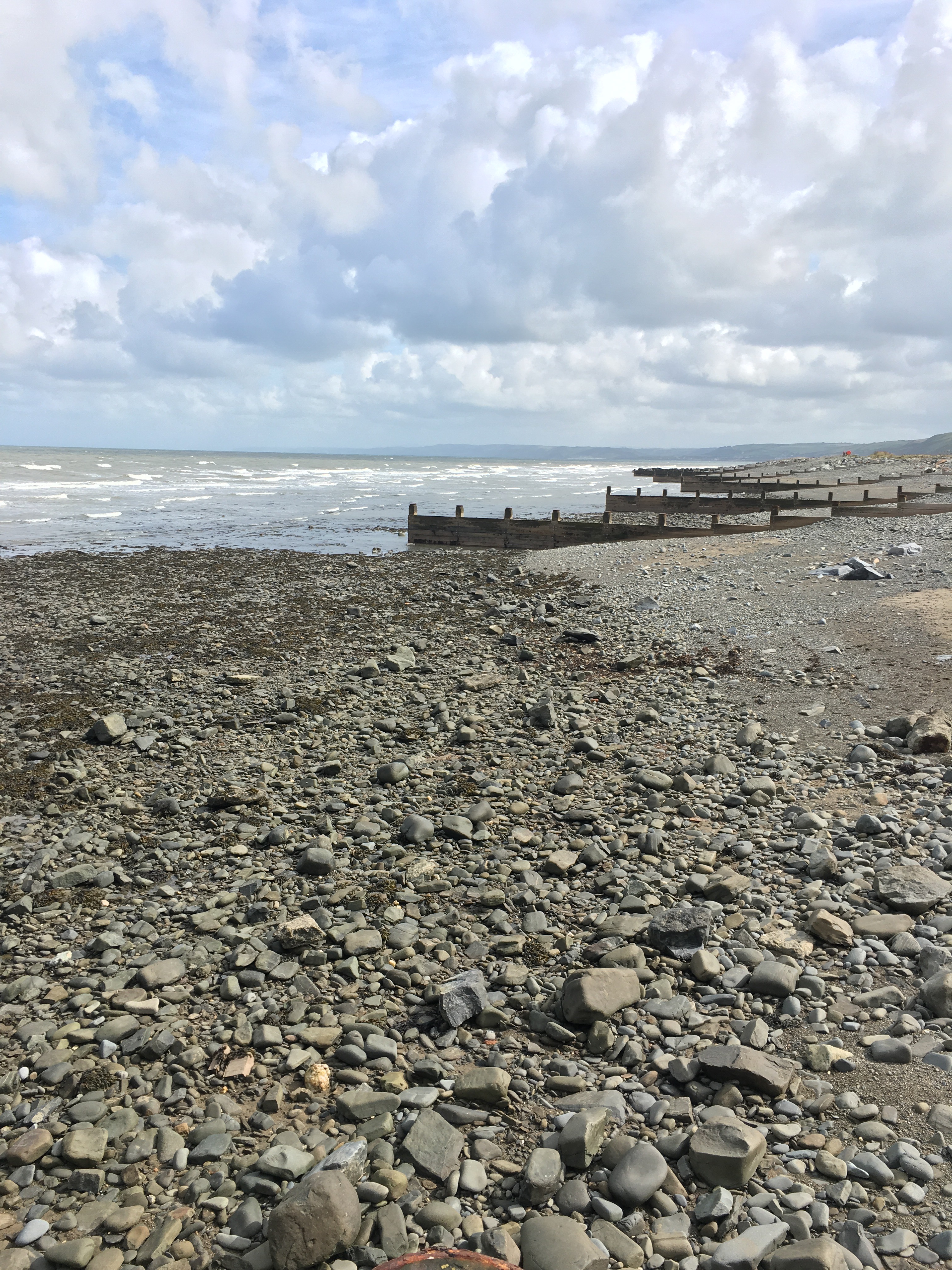
I stopped in lots of little beach towns on the West coast – it was the height of summer after all – but with the ocean at 15 degrees, the air not much warmer, strong wind, and a churned-up murky ocean with black rocky beaches, this didn’t look like a summer paradise to me. Despite that, many people were around. There were locals and tourists from Northern England – although not much business for the surf-lifesavers Carwyn and Dan that I met. They’re professional lifeguards – paid to patrol over the summer – and they study at University the rest of the year. If I thought the ocean was cold now – they tell me that when they start training in May the ocean is a freezing 10 degrees.

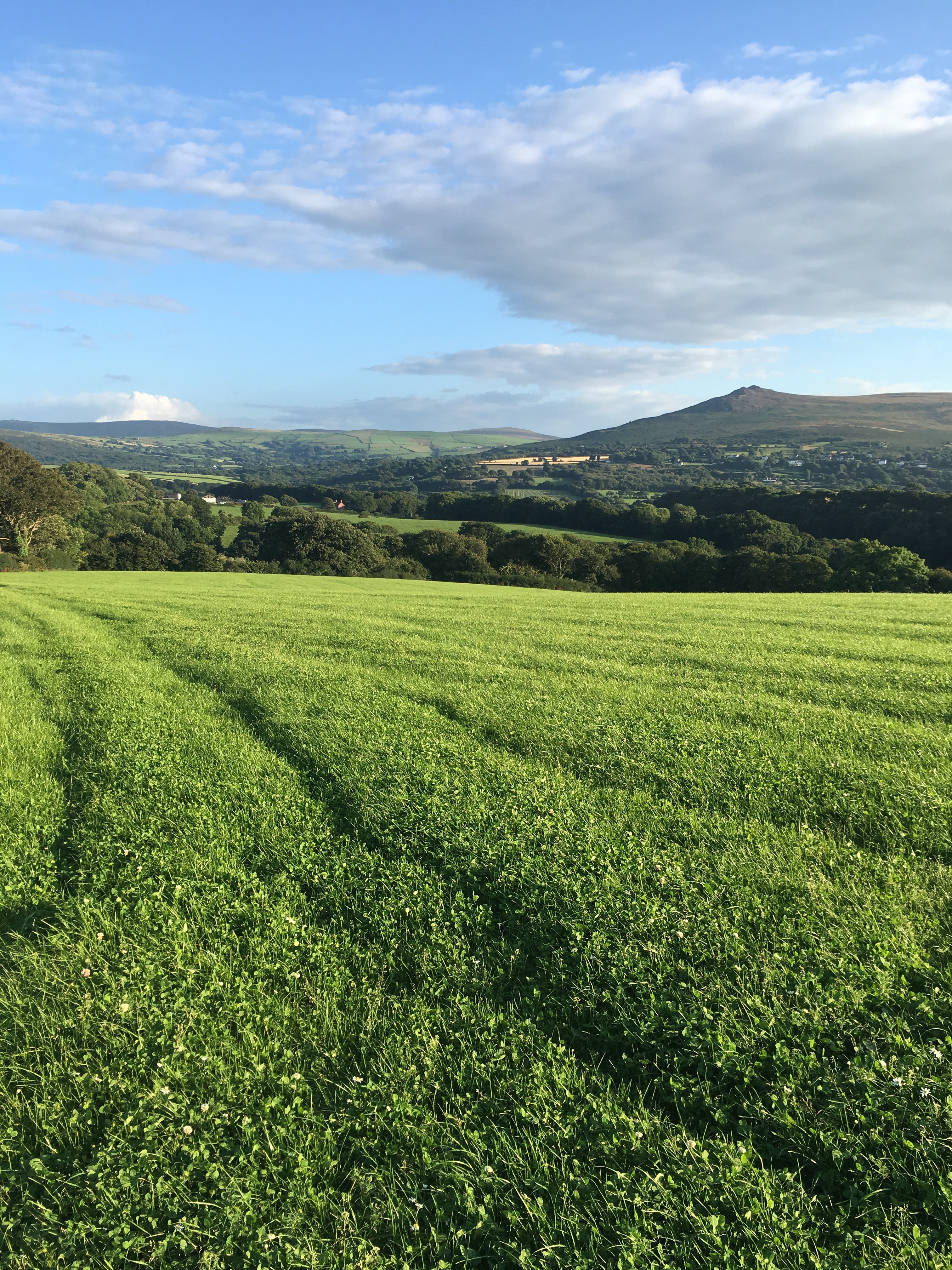
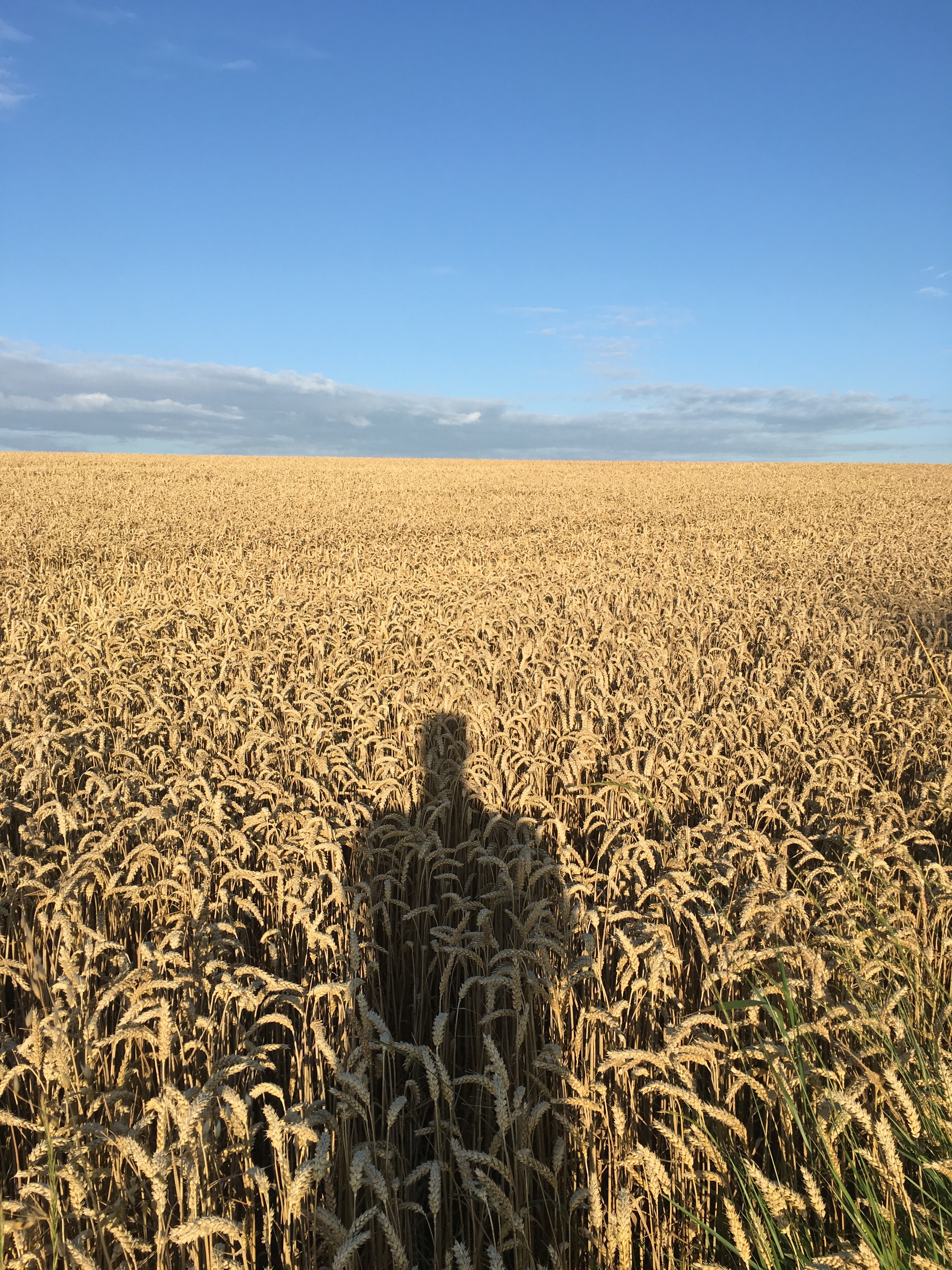
The farmland here is stunning. Rolling hills, dairy in the dales, sheep in the hills and golden fields of barley drying in the summer sun. I walked for over an hour through the local farmland and was struck as I walked down little country lanes by how little they must have changed over the last 100 years. But how much the world has changed. At St Fagans – the Welsh village museum – you can spend a day in a Welsh village as it was centuries ago. Dad told me he lived in a Welsh long house – with a family and their animals – during his first trip to Wales as a young farmer. Now I look at the farmers – with all the help of their machinery – making the most of summer by working until 9.00 or 10.00pm and I wonder what the future holds for them given their dependence on EU farm subsidies.

Bristol, Newport and Cardiff

August 7

This trip started badly. Just after I picked the car up I drove though, something on the road. It was like a thick mash that I didn’t see. But I heard it as it sprayed up – all though the wheel-arches and the underside of the car.

I pulled up at home and opened the door into a thick cloud of invisible but unspeakable stink. If that dripping rubbish-truck in front of you at the traffic-lights is 6/10, and the worst dog-poo you’ve ever stepped in was 8/10, this was a gagging 10/10 horror. I sloshed several buckets of water over the car to get it off and then packed my things and took my godson to the airport. By time we got to Heathrow the heat of the engine had amplified The Stink to 12/10 and we fell about gagging and laughing in the Heathrow T2 car park. But the joke was on me. It was on the car. It was in the car. And it felt on me and even part of me. It made me sick. By the time I got to Bristol I was desperately and urgently looking for a high-pressure steam-clean truck-wash.

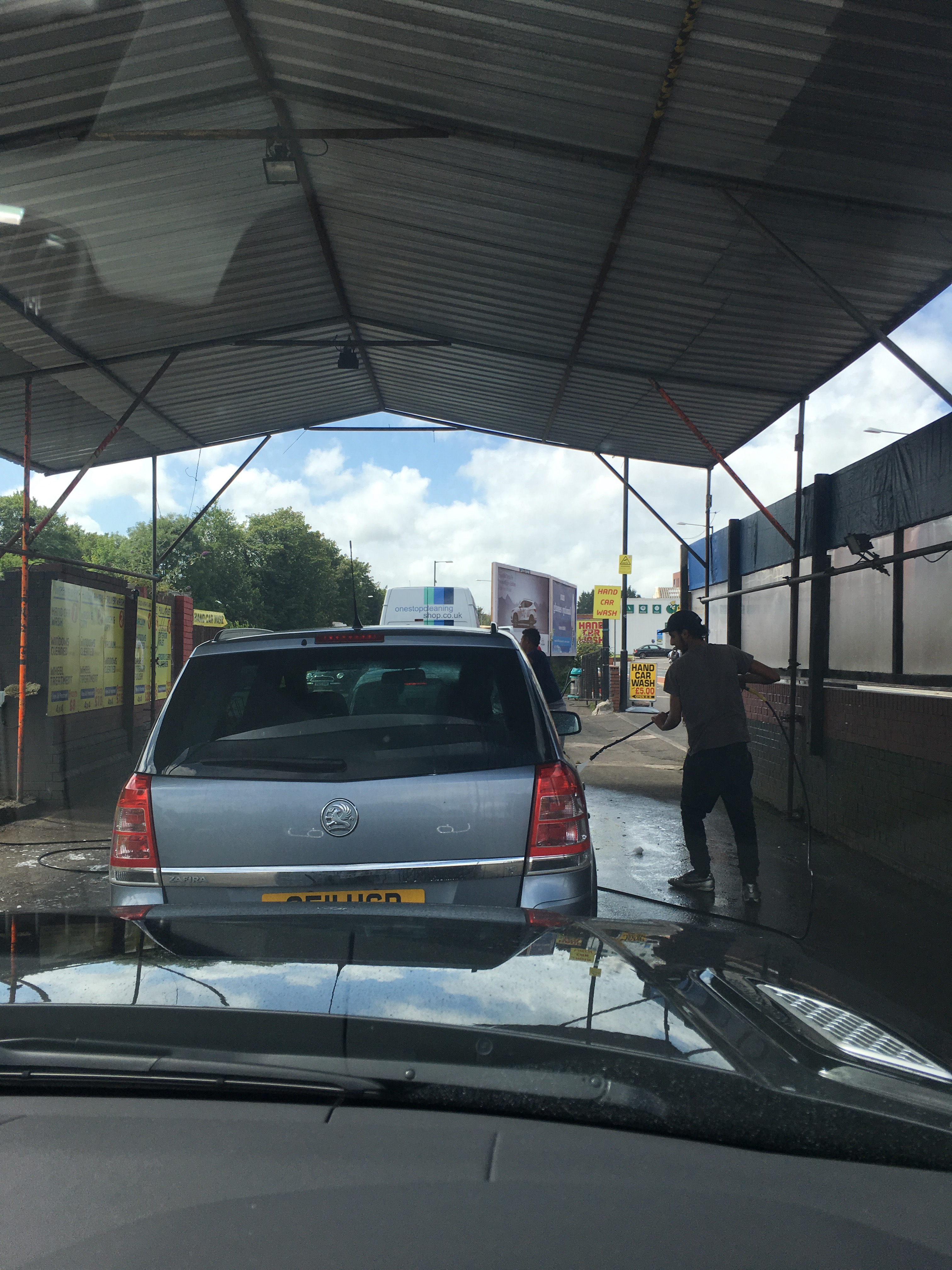
So my first chats were with a rather shocked Egyptian car-wash team all aghast at The Stink that had rolled into their wash-station with my car and me.

We talked about how nice they found living in Bristle. These guys work hard and have a rough but thriving business. While I was grateful for their efforts on the underside of my car, a trace of The Stink was to haunt me for this whole trip.

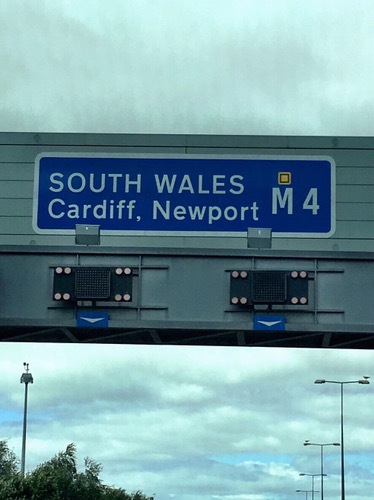
As I entered Wales and paid my bridge-toll I was struck how instantly foreign everything felt. This was the first UK country that really felt like another country for me, with all the road-signs first in Welsh and then in English. Few if any of the place-names could be read in my head.

This might come as a shock to UK readers – but most people outside the UK don’t realise the UK is a union of 4 countries (or 3 countries and a province). Much to the dismay of the Welsh and Scots, and at best most people in the US or Asia might think of Wales or Scotland as states of England; not separate countries.

Into Wales and down to Newport for lunch. As I enter a new town I’m always looking for what’s unique or different about each place. I mentioned, when I was in Newcastle, the demise of the high-street retailer. But as I walked around the centre of Newport and saw Boots, Top Shop, Debenhams, Muffin Break, Poundland, Costa etc it struck me how the sameness of franchises and chains has really sapped much of the individuality of the high-street experience in all of the UK’s towns.

I wanted to learn about the Welsh. At first it wasn’t as easy as in some of the other places I’ve been. I was later to learn that the Welsh see themselves as more reserved than the English – perhaps even shy – so me bowling up for a chat was for many a bit strange and off-putting. Conversations were short.

Something funny I’ve noticed is that what everywhere in the world is called an ‘English Breakfast’ is an ‘Irish Breakfast’ in Ireland and a ‘Welsh Breakfast’ in Wales. I guess I’ll soon have a ‘Scottish Breakfast’ in Scotland.

As I drove through South Wales I tried to look for what caused New South Wales to be its namesake. The damp green and windswept rolling hills didn’t remind me of New South Wales in the slightest. A quick web search showed that Captain Cook merely sailed down the coast and thought “yeah that looks like South Wales” – and so we were named.

Omagh, Finn Lough, (London)Derry

24-26 July


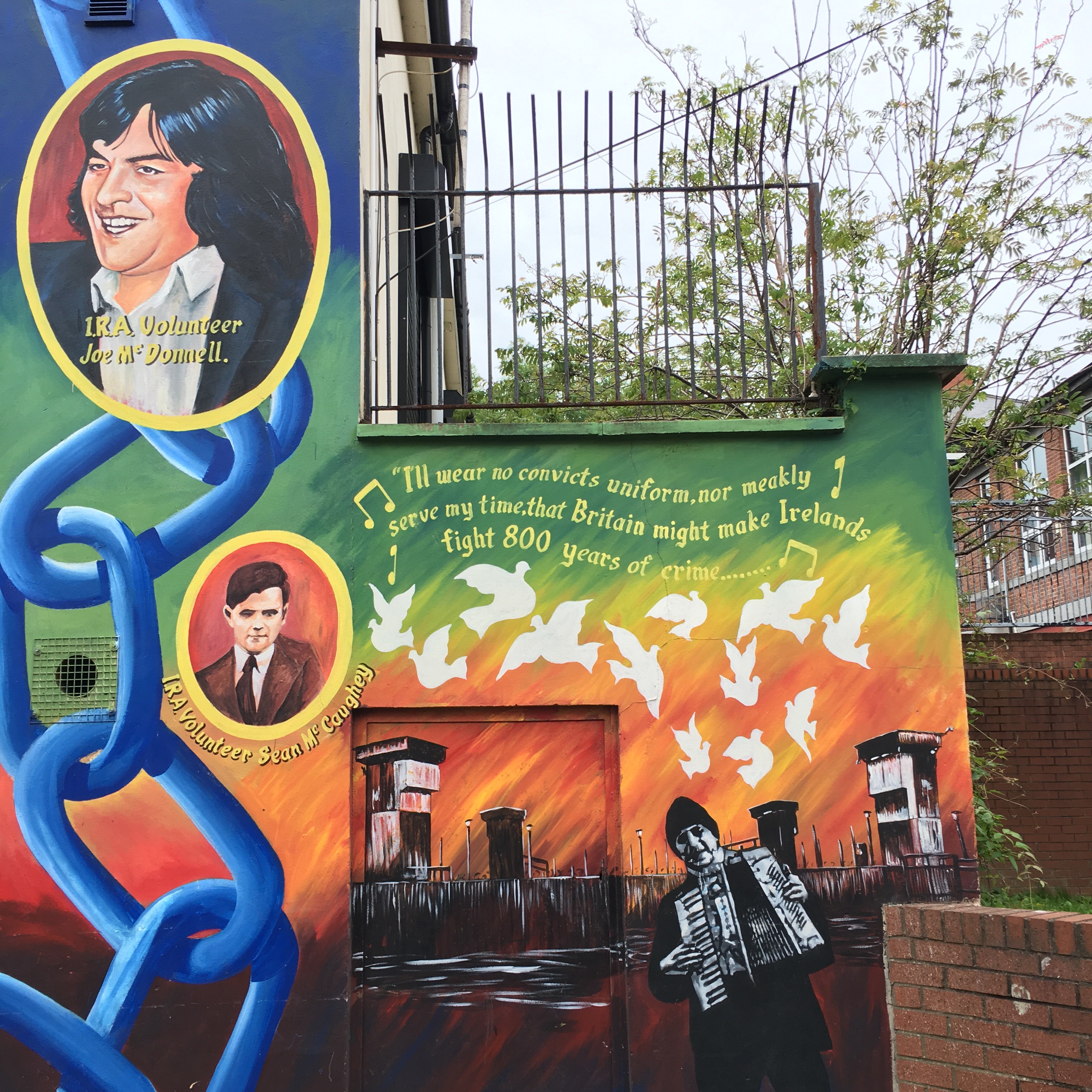
It’s a strange feeling for an outsider to drive through the Northern Irish countryside at this time of year and see each community proudly displaying its colours with flags and garlands at every turn. They do so firmly and loudly so we certainly know which community lives in what area.

This part of the world is insanely green and, if you think it rains a lot in England, it appears to rain a lot more here.

We stopped in Omagh for a coffee and had a walk around; it’s easy to talk to people here as we all collectively duck for cover with each passing downpour. No one really wants to talk on camera, although they certainly do love to talk.

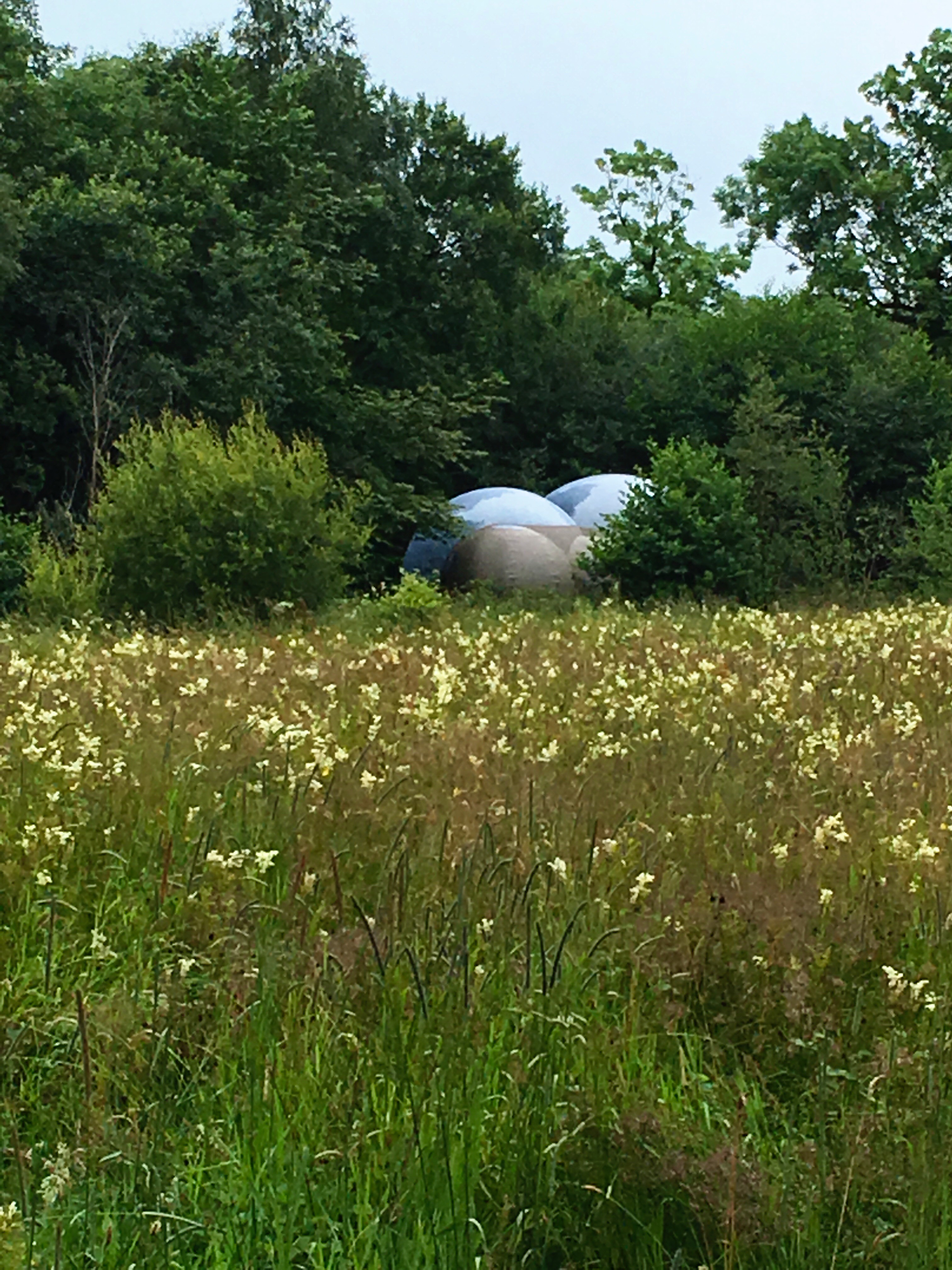
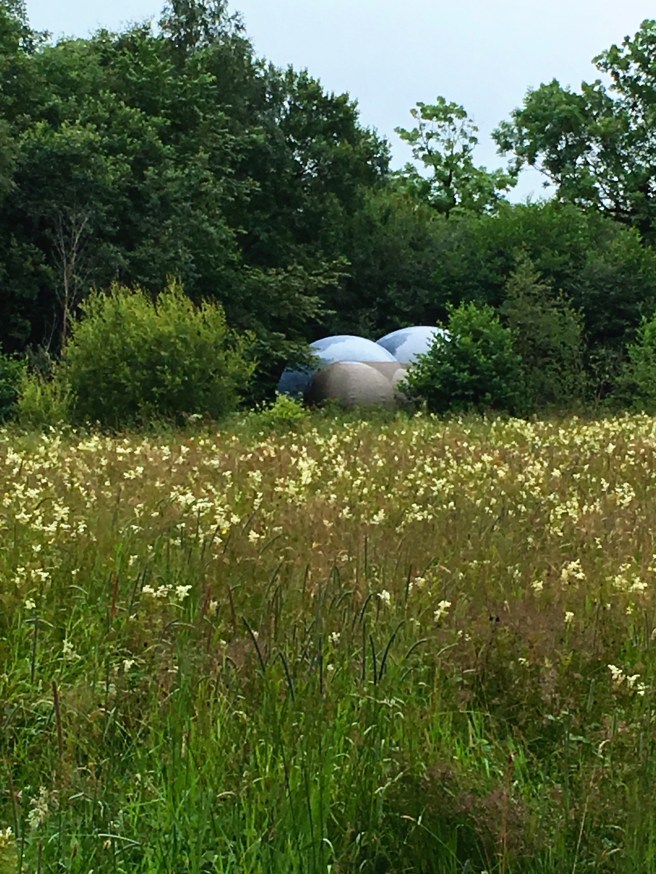
We head deep into the dark, damp forest surrounding the area from Lower Lough Erne to Finn Lough, a resort that features ‘bubble domes’. These are inflated transparent structures that appear to be a cross between a luxury hotel room and very flashy tent. Each bubble dome, tucked into the woods, is mainly see-through – including the roof – which lets you enjoy the feeling of being nestled into the woods; the sound of the wind, rain and rustling trees making you feel at one with nature. You can lie on your bed and stare at the stars as you fall asleep – it’s really quiet an incredible experience to sleep this way, lying deep within the wild Northern Irish woods.

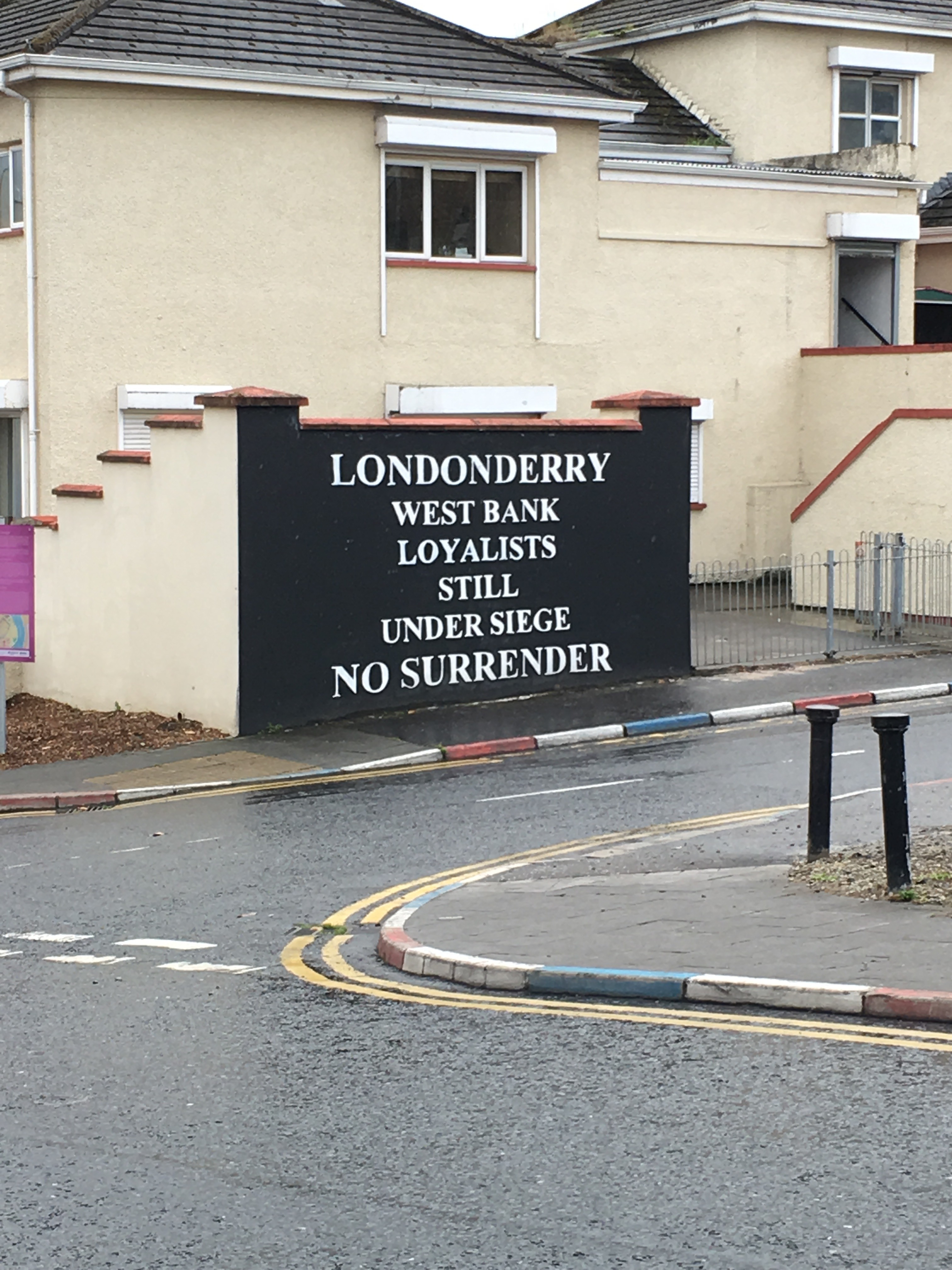
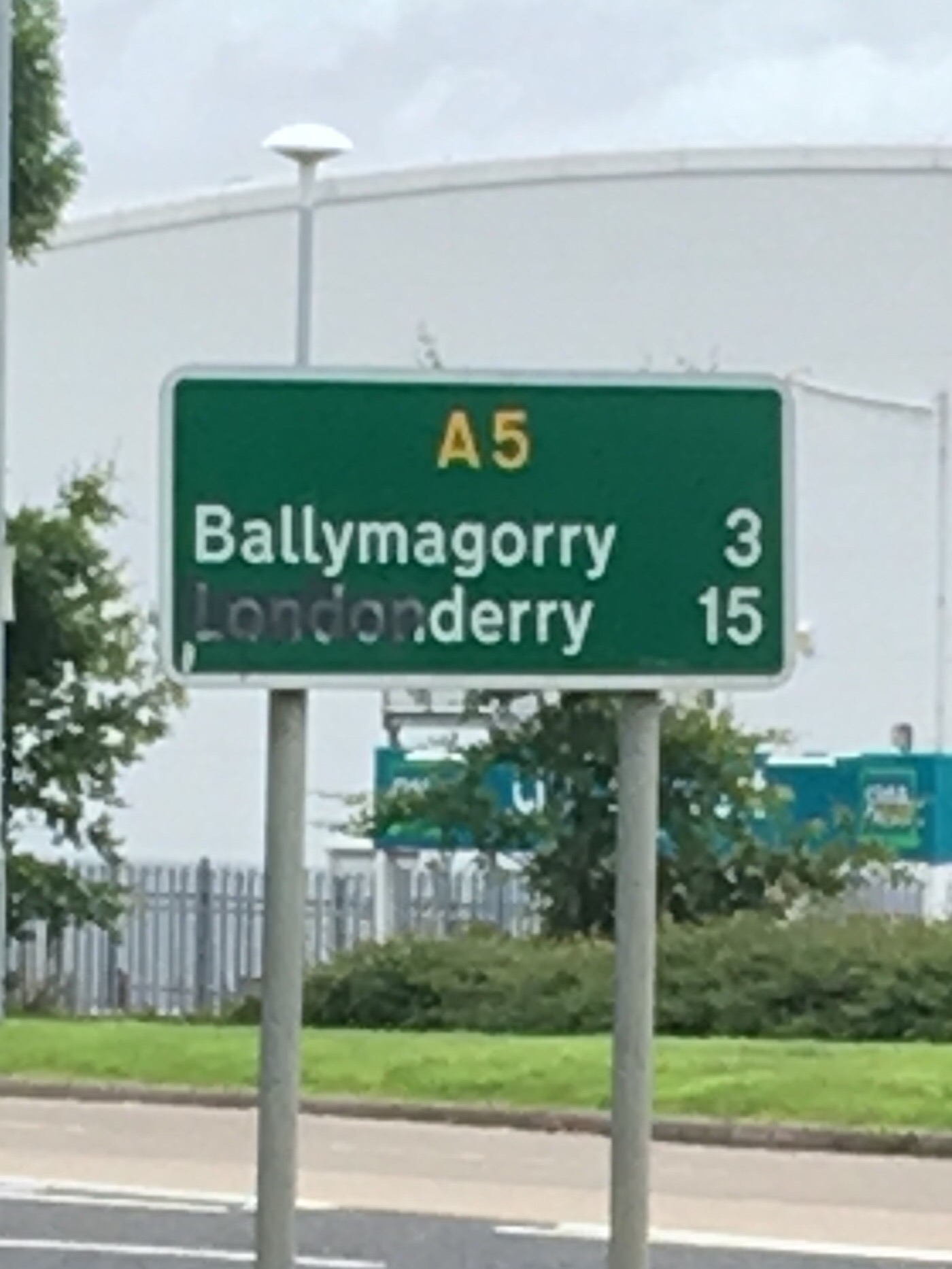
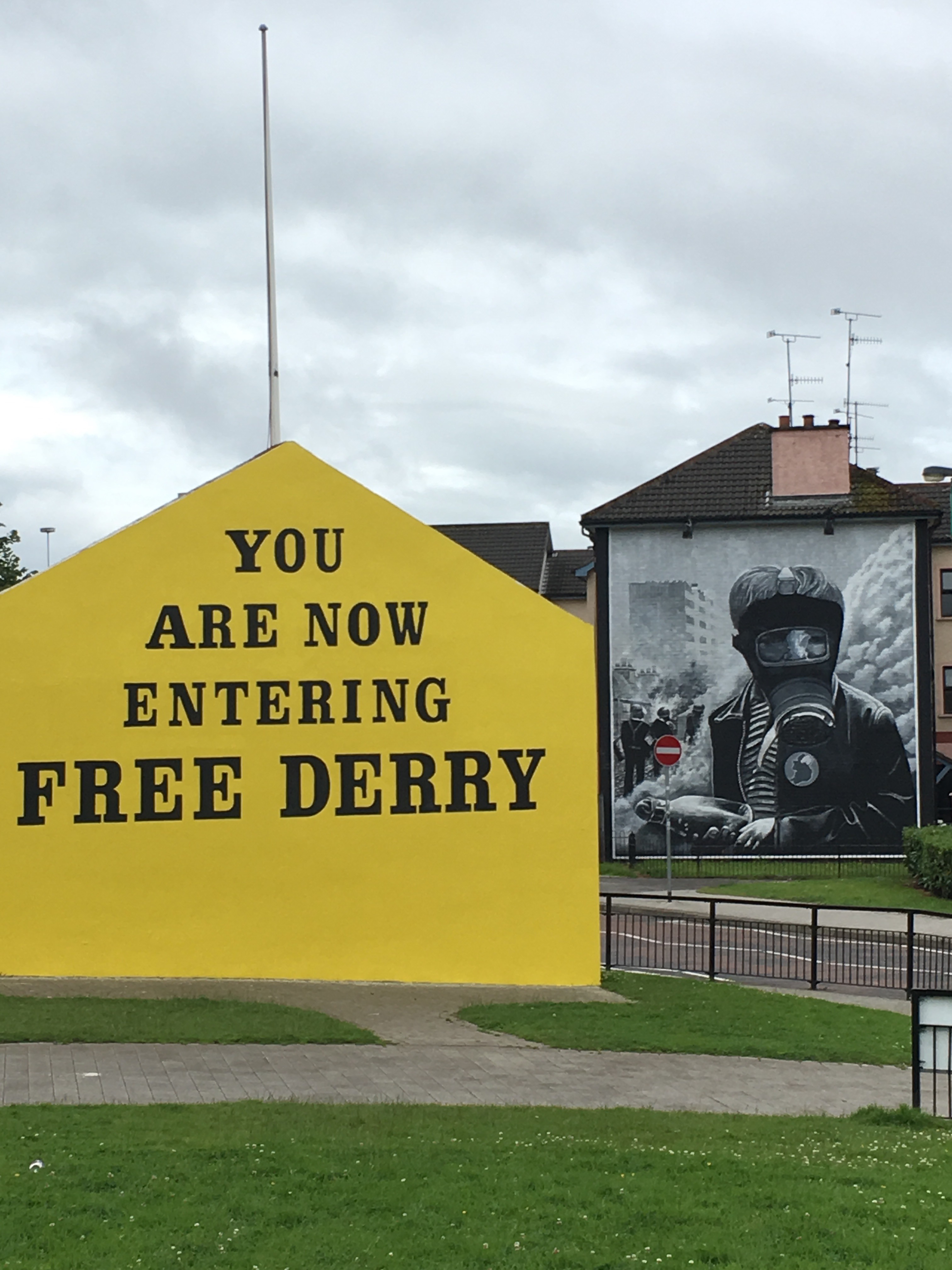
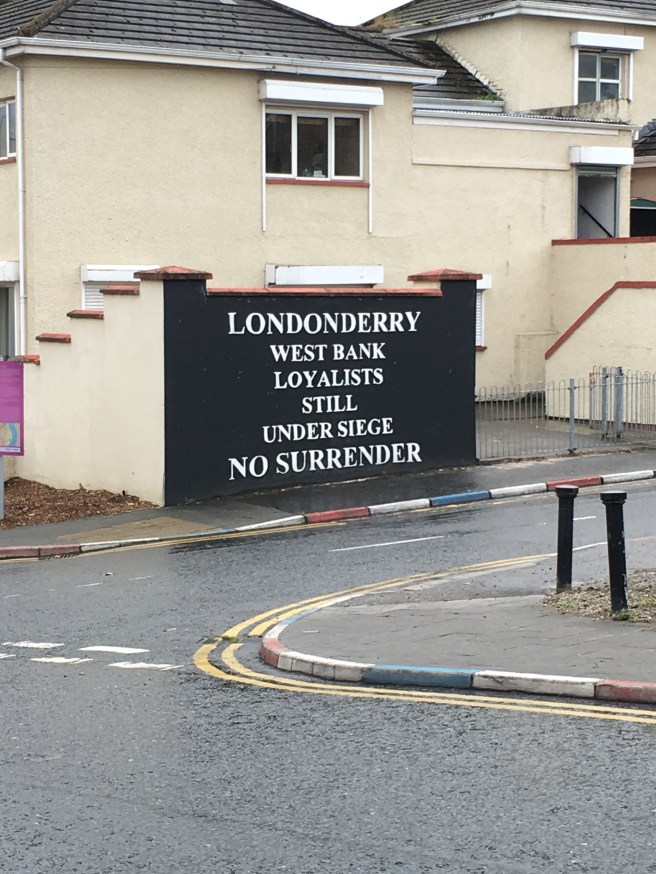
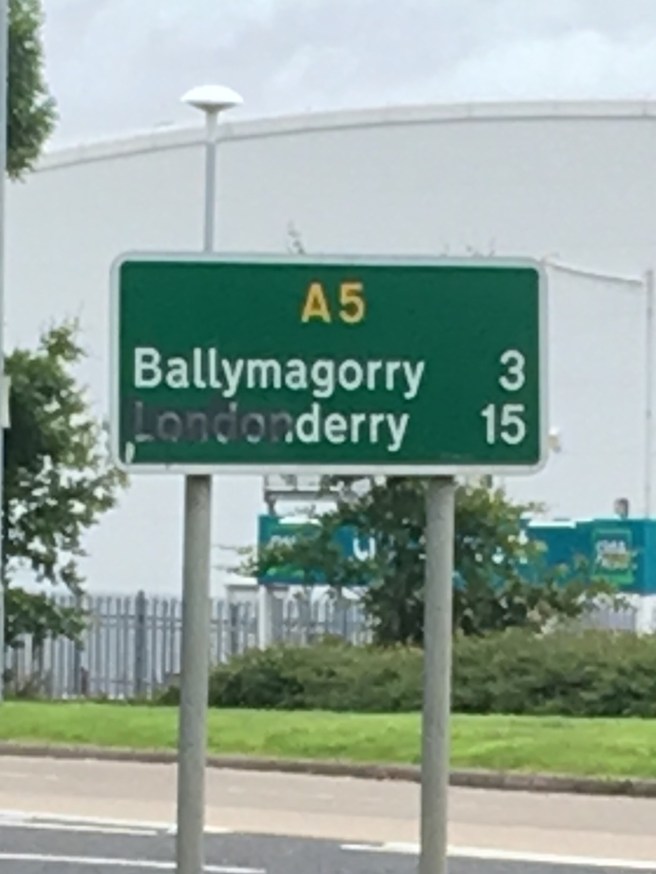
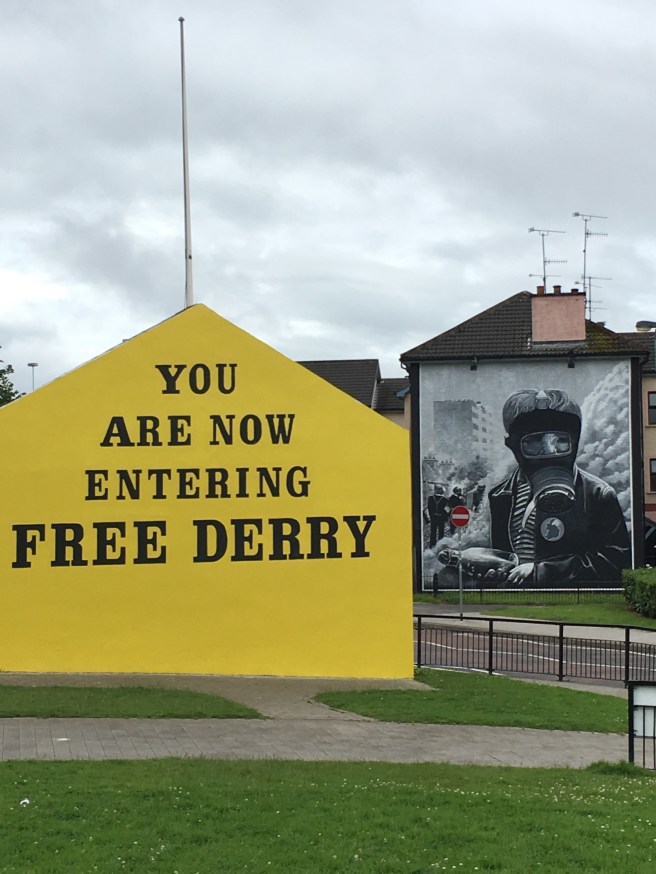
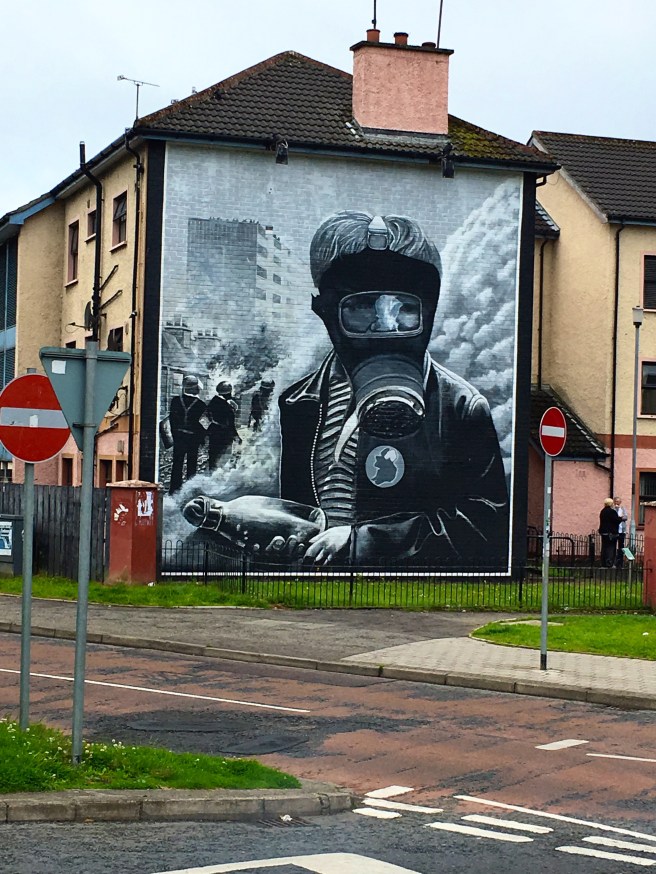
We travelled up to (London)Derry. What you call this town paints your political colours, and so it’s hard to be politically correct, whichever way you say it, and along the road we come across many defaced signposts to LondonDerry.

We met a very affable priest who connected us with Father Canny, the local Catholic parish spokesman, whom we interviewed. He voiced concern for projects that are currently EU-funded, which he termed peace 1, peace 2, right up until the current tranche of project funding for peace 4. We heard the concerns for those farmers who are losing access to EU farming subsidies, and there’s a great deal of anxiety about the prospect of the return of ‘the boarders’ to Ireland, which for most brings back horrible memories of the ‘troubles’.

Some 56% of Northern Ireland voted ‘remain’, and most of the people we talk to appear worried and disappointed by Brexit. It feels on the ground as though there is some buyers’ remorse here, and no one really wants to identify themselves as a Brexit voter – it’s a very different feel to the North of England.

We talk about the prospect of Northern Ireland leaving the UK and, as the population is roughly split between Protestants and Catholics, most from both sides of the divide feel that this can only really be viable with an overwhelming majority of the population in support of it, in the region of a 70/30 majority. Yet many, even Catholics, are weary of leaving the UK. Simple practical reasons are cited, such as the NHS being better in the UK, where medical care is free, and most say that the education system is also stronger. There are also more holidays, and the unemployment benefits are more generous. We’re also told that the government in the Republic of Ireland is less stable; that there’s more corruption south of the border; and bigger economic risks are taken.

It’s hard to know what to believe – as it’s such a muddled place at the moment – but one thing is for sure, and that is nobody wants internal borders to return to Ireland, and everyone wants to build upon the peace that’s been achieved. It seems that people want a careful Brexit process which allows the Northern Irish politicians to pick up support for as many EU programmes as they can.

#edsintown, #Derry, #Londonderry
Belfast

July 23-24
This 24 hours was so incredible it’s hard to know where to start…


Northern Ireland and Belfast – as brands – for me are as steeped in past violence and horror as Beirut and Lebanon. I grew up on the other side of the world watching the terror and atrocities on the TV news as the people of these two places tore each other apart.

So coming here now – what did I expect?
I expected a cosmopolitan, prosperous and fun place; and I was cautioned not to talk of the “troubles” of the past. But talking is what I’m doing – it’s the purpose of my trip.
As I sat on the Aer Lingus plane, about to take off, I reflected on what I expected to see and what my preconceptions of the Northern Irish might be. I thought of fun, parties, drinking, jokes, clover, luck, religion, potatoes and a violent past.
We stayed at the magnificent Merchant Hotel in Belfast. It has ornate soaring ceilings and the most splendiferous grand Victorian dining room I think I’ve ever seen. We checked in and headed out; it was Saturday night after all.
We met Barney and his mates out for his birthday. These boys – in their early 20s – represented the modern Northern Ireland I hoped to find. Some were from mixed marriages of Catholic and Protestant parents. Mostly the boys were Protestant, but there were some Catholic mates. There was an acknowledgment of past difficulty – but all very friendly and free-and-easy now.
We found this everywhere we went. There is a great energy and vibe in Belfast on a Saturday night. Cool new bars mix with beautiful traditional pubs. The lads are gym-fit and well-dressed; the girls fit and pretty. Although I did notice false eyelashes are a thing here. Almost every girl had huge thick long eyelashes.
The only thing that was disconcerting was the police vehicles. These were huge heavily-armoured Land Rovers with bulletproof glass and deployable steel-slat windscreen-protectors. I talked with a cop. ‘Wow – tough car!’ I said. ‘Yeah, well, you need a tough car when they throw petrol bombs at ya,’ he replied. ‘What, really? Nowadays? Still?’ ‘Yep.’
We didn’t go into it, but this seemed inconsistent with the easy joy of a Saturday night in the city centre.
So we got into the cab to go to pick up our car on Sunday morning feeling very jolly and “up” on Belfast. Then we started talking to our cab driver.
‘Yeah, we’ve all got regrets; things are better now – but we’ve all got regrets’.
Like from what?
‘From Rarting’
What? Ratting?
‘No Rarting’
Roughing?
‘No Rarting’
Routing?
‘No Rarting’
I’m really, really sorry. I just can’t understand. Can you spell it?
‘R O I T I N G’ (sic)
Royting?
‘Nah RARRRRTING’
Rioting?
‘YEAH, Rarting!’
No joke – this went on for minutes. We felt so stupid and embarrassed. But we just couldn’t get what he was saying.
‘I walked a girlfriend home one night through a Catholic neighbourhood. They came up behind me and hit me across the head with a piece of 4×4. I would have died if I wasn’t rescued by a 68-year-old woman walking her dog’.
Why did they target you?
‘I don’t know. I guess they just didn’t recognise me and I was in their area’.
And so he told us horror-story after horror-story from the ‘rarting’ days. A mate that was in the Paramilitary and was given a pipe bomb to throw; it detonated in his hand and blew him to pieces. Another mate shot and killed while ‘rarting’.
‘Yeah, we’ve all got regrets but it’s getting better now’.
He didn’t want to talk on-camera, but suggested we go to a community centre – as it was Sunday – and talk to people there.
On the way to the community centre we took a wrong turn down a street with a wall and fence with anti-climb paint, barbed wire, spindles of razor wire and spikes. The wall soared at least 10-12 metres into the air; impossibly high.
‘Wow,’ I said, ‘that must be a prison’.
Then we realised they were houses on the other side and it dawned on us it wasn’t a prison. But what was it, we wondered?
We pulled up and walked along this huge imposing wall until we found a bloke with his kids walking their dog – a Schnauzer pup.
He told us about the ‘Interface Wall’ as we stood at its foot. It’s the interface between these Catholic and Protestant communities.
We’re actually shocked. It’s here in the street now; like you see a wall between Palestine and Israel.
He told us of “The Marching Season” of July 12th when people throw paint-bombs, golf-balls, large ball-bearings (and in times past even shot at each other) through and over the wall. It’s been there for about 25 years.
So what was marching season like this year, I asked?
‘Much quieter; not too bad’.
While we were talking to him two lads pointed out a guy filming us, as we talked, from his bathroom window on the other side of the Interface Wall.
‘He’s Scottish. They always film us’.
So we walked to the end of the street, turned right, walked to the next street, turned right again and walked down the other side of the wall. Really – it’s crazy. It’s open at one end and you can just walk around it; but at the other end it’s 12 metres high and the road is blocked with a massive brick wall.
We chatted to a Protestant man of about 60 who was sweeping leaves outside his house. No-one wanted to talk on-camera but they were happy to talk. He was also grateful for a quieter season this year and told us how many of the kids now have friends from the other side and you can even go to each other’s pubs.
It’s just so foreign to me how two flavours of Christianity ended up like this and such a relief that things are so much better than when I was young.
On both sides of the Interface Wall they said they hope the wall can come down some day but they don’t know when this might be possible.
Of course the Brexit vote brings a lot of uncertainty to both sides. Nobody knows how this is going to work. They don’t want to go back to the days of internal checkpoints on the borders with the Republic of Ireland. But if they don’t won’t Europeans be able freely to enter Ireland via the Republic and then freely cross into the UK via Northern Ireland? And then what? Passport control to travel from one part of the UK to another?
There’s clearly a lot to think through to avoid the risk of stirring up a fire that’s been cooling down for almost two decades.
A final thought as we drive thought the countryside to Finn Lough via Omagh.
There were more Union Jacks and Ulster Banner flags (the flag of England with a crown in the centre and below a red hand in a white six point star) garlanded across the streets and hoisted from lamp posts than anywhere you’d find in England itself. In the Catholic areas we visited there were green and gold flags. But in a country – if Northern Ireland is actually a country – that’s part of the UK, where’s there’s a significant proportion of the country that want, or wanted, reunification with the Republic of Ireland, it seems to me that marching season, and all these Union Jacks and Ulster Banners, are rubbing their noses in it a bit.