August 8
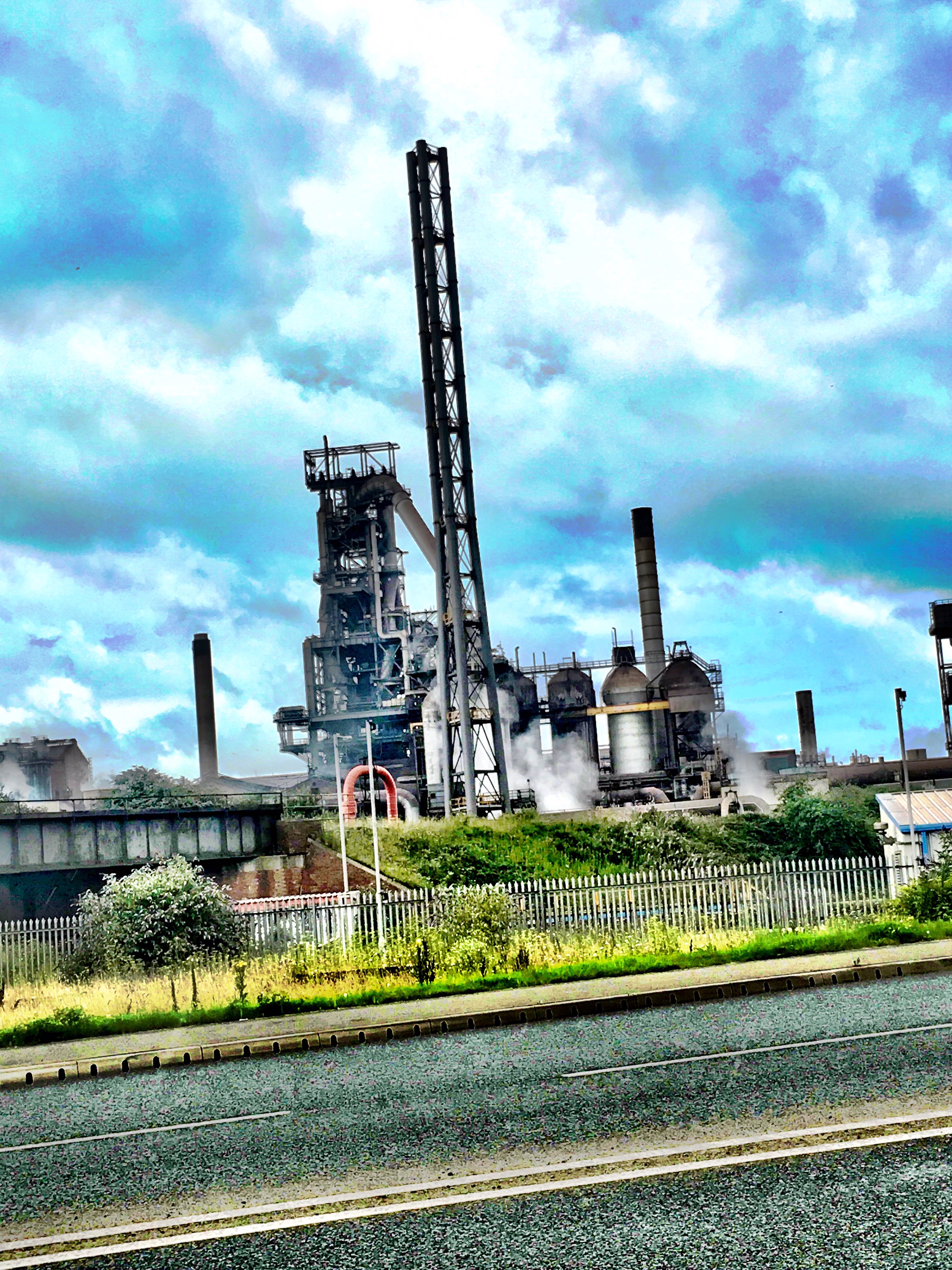

I drove up the West coast of Wales from South to North, past the troubled Port Talbot Steel Mill, where I stopped to see if I could talk to someone or look at some of the gigantic complex. Unsurprisingly this didn’t happen – but not through lack of effort by the lovely woman at security.
I did manage to talk to some steel fabricators at a nearby factory. Even though they are in the shadow of the main mill they buy their steel from a wholesaler who sources it globally to get the best price.
As I drove toward Pembroke more and more high-voltage power lines came together and I thought there must be a massive nuclear power plant near here. But they were all running from the newish Pembroke gas generator. In trouble with the EU over its environmental impact, due to the cooling system, this station generates enough power for 3.5 million homes. Coupled with a huge oil refinery I learn that there’s a lot of good well-paid work in this area.
People here are a bit more mixed on the Brexit vote and while no-one I spoke to wants Wales to leave the UK (“we’ve no resources, we depend on Westminster”) they love the Scots and are happy for them if they want to leave the UK and they can regain their independence. This does, though, bring lots of interesting consequences. I was told “Of course, they’ll have to move the nuclear subs you know” and “Milford Haven is the second-deepest port in Europe – this would be a good place for them”. It looks like disruption always creates opportunity for someone.
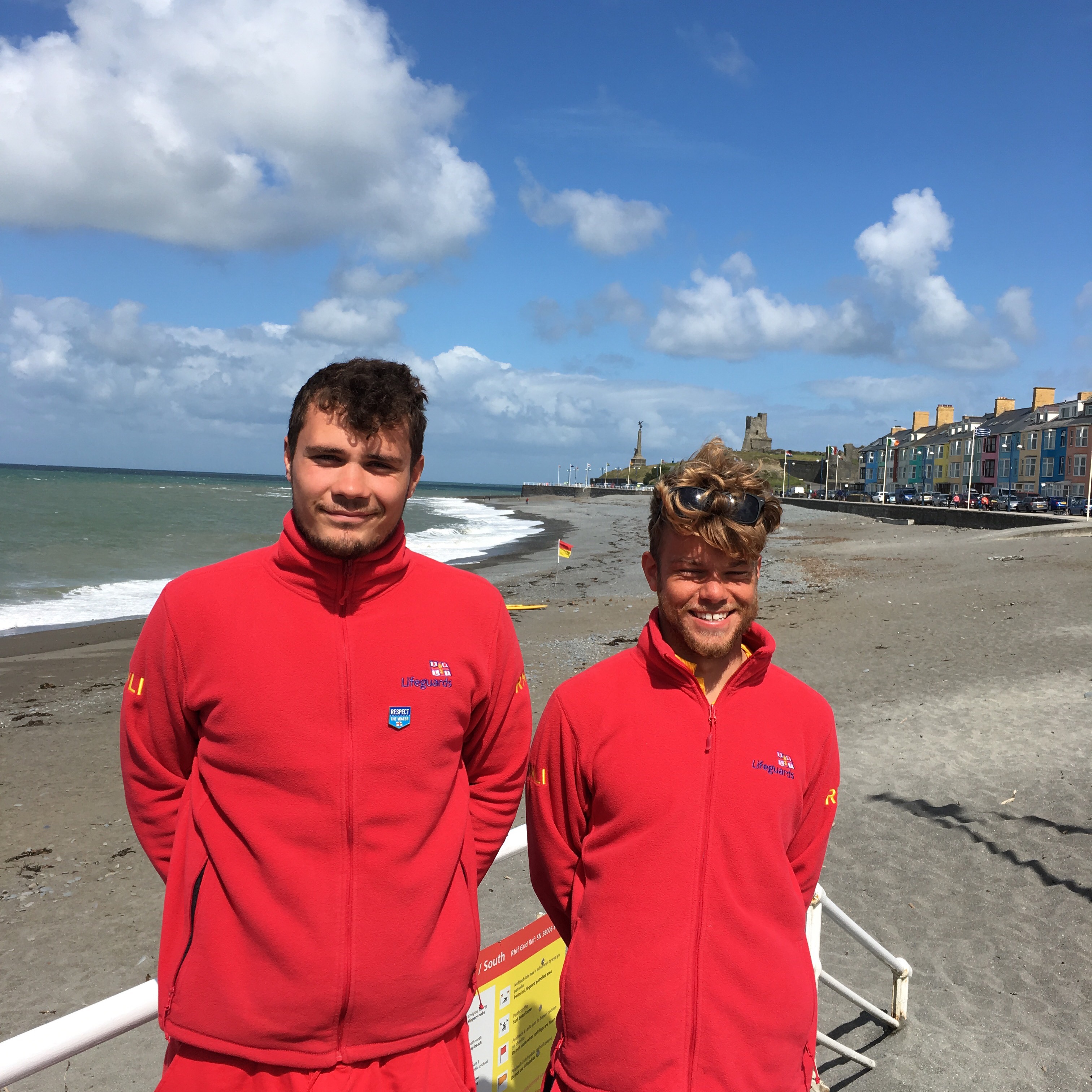
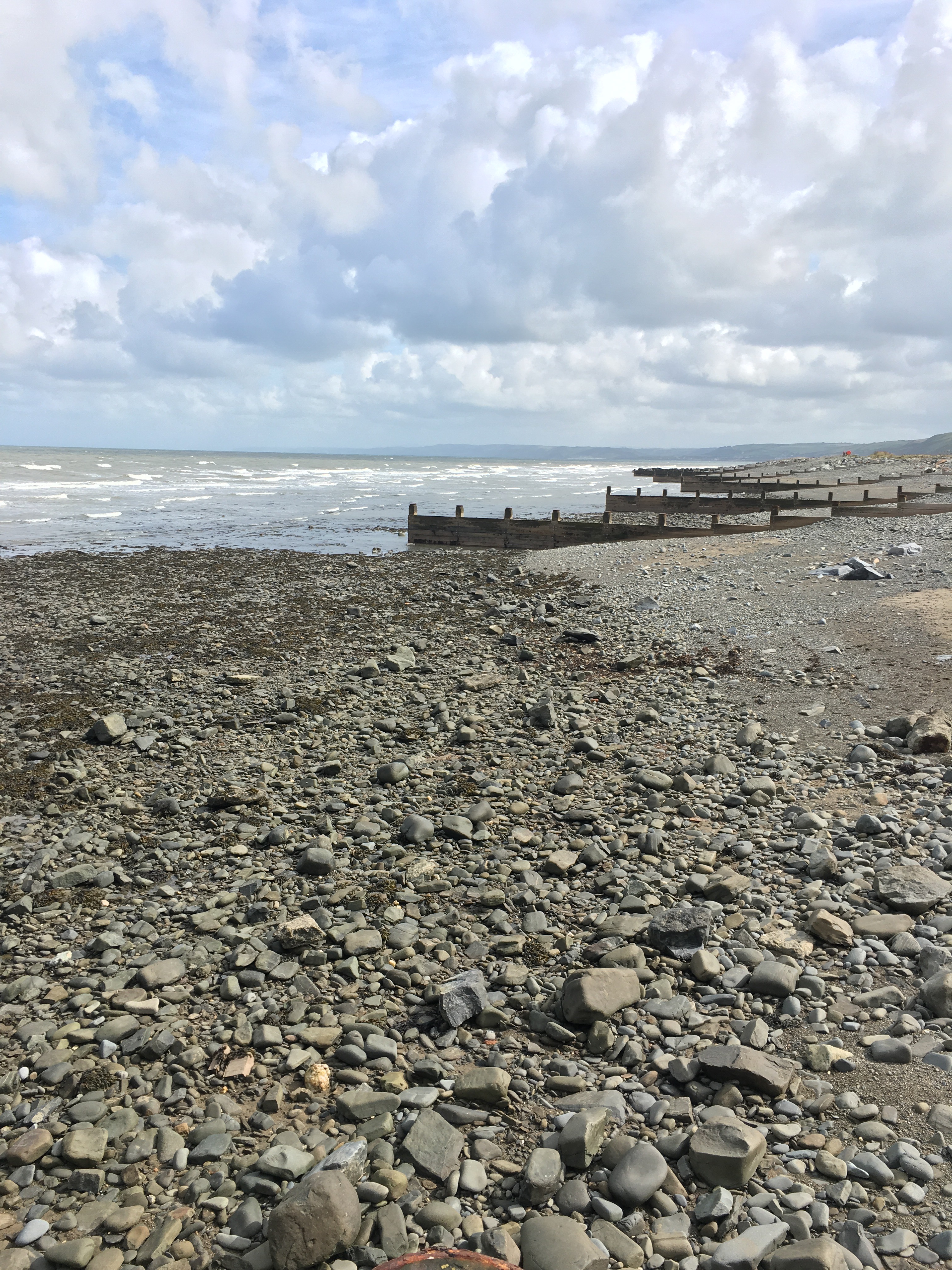
I stopped in lots of little beach towns on the West coast – it was the height of summer after all – but with the ocean at 15 degrees, the air not much warmer, strong wind, and a churned-up murky ocean with black rocky beaches, this didn’t look like a summer paradise to me. Despite that, many people were around. There were locals and tourists from Northern England – although not much business for the surf-lifesavers Carwyn and Dan that I met. They’re professional lifeguards – paid to patrol over the summer – and they study at University the rest of the year. If I thought the ocean was cold now – they tell me that when they start training in May the ocean is a freezing 10 degrees.
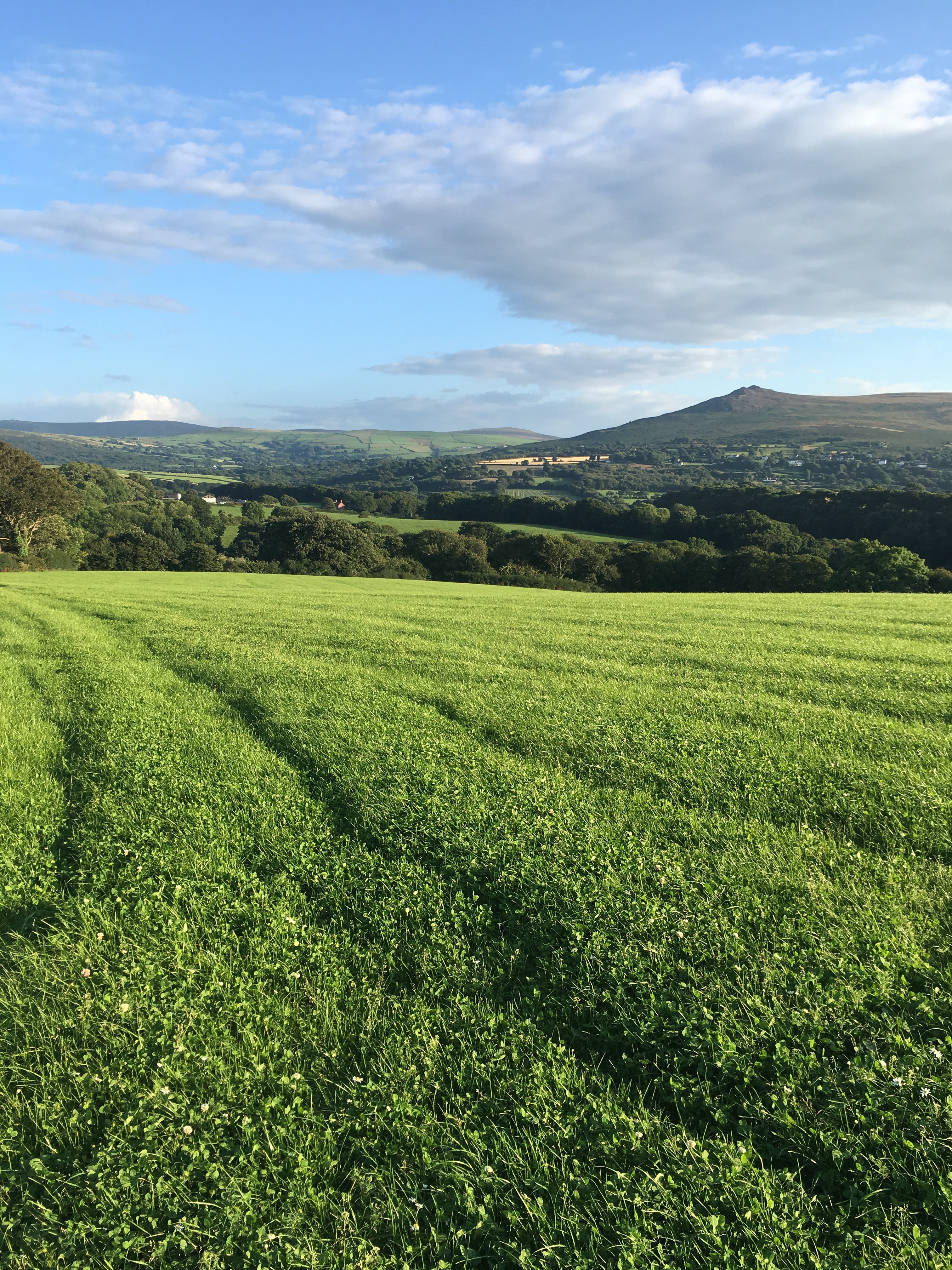
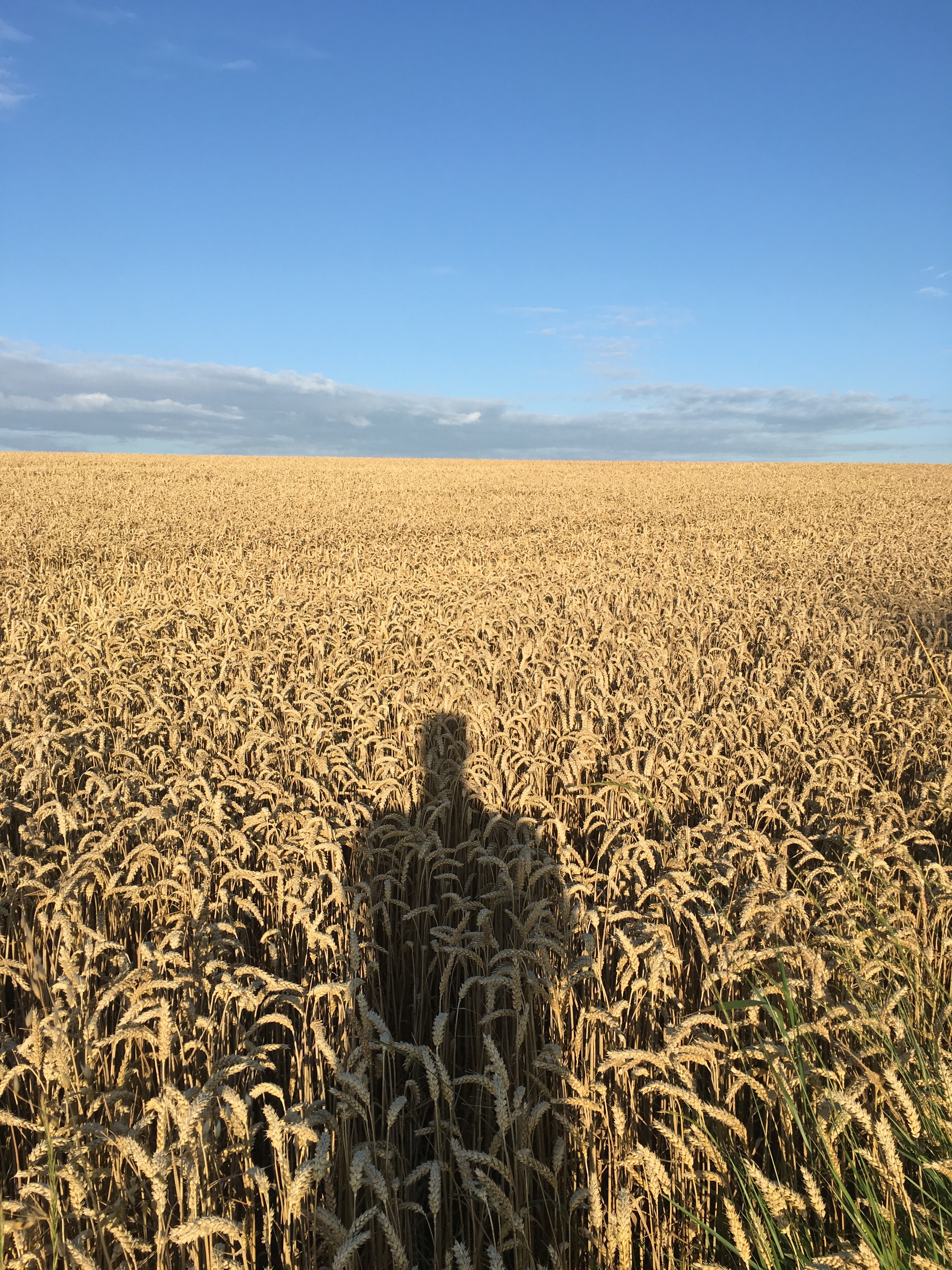
The farmland here is stunning. Rolling hills, dairy in the dales, sheep in the hills and golden fields of barley drying in the summer sun. I walked for over an hour through the local farmland and was struck as I walked down little country lanes by how little they must have changed over the last 100 years. But how much the world has changed. At St Fagans – the Welsh village museum – you can spend a day in a Welsh village as it was centuries ago. Dad told me he lived in a Welsh long house – with a family and their animals – during his first trip to Wales as a young farmer. Now I look at the farmers – with all the help of their machinery – making the most of summer by working until 9.00 or 10.00pm and I wonder what the future holds for them given their dependence on EU farm subsidies.
 talledsmith